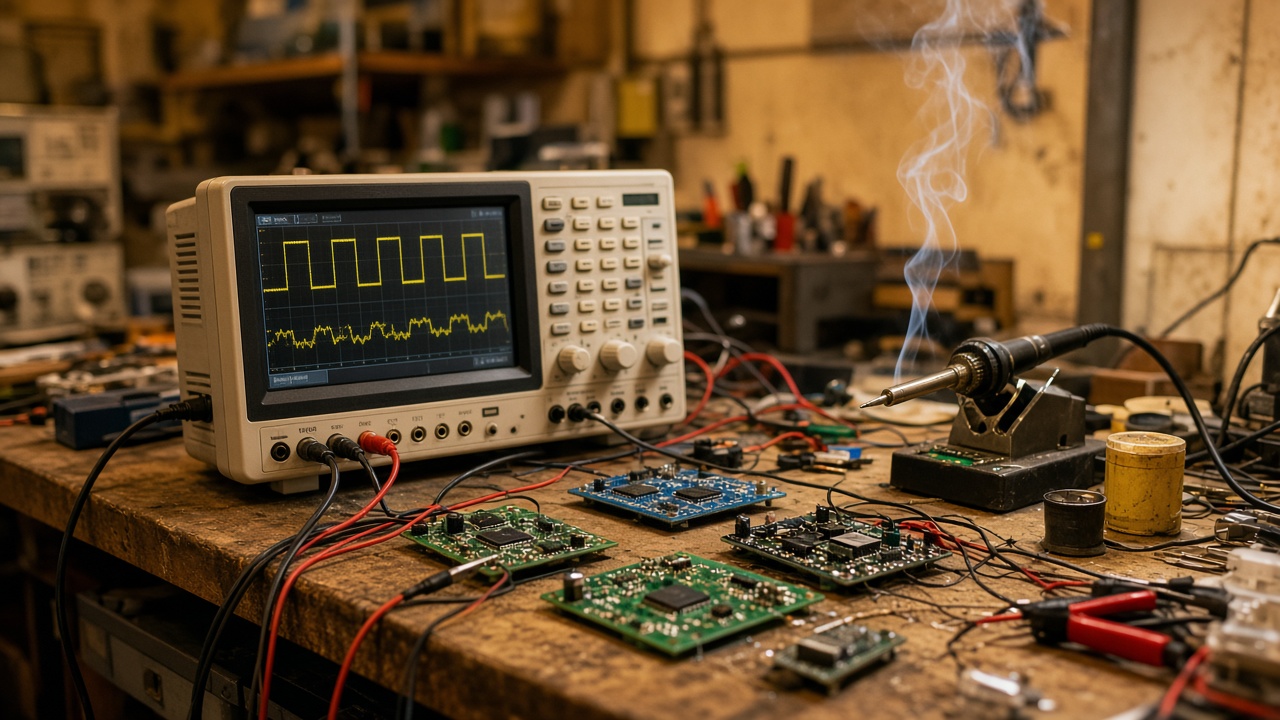
When people talk about R&D, they picture sterile white-collar labs in Boston or Cambridge, backed by multi-million-dollar venture funds and armies of PhDs. In Indian manufacturing, real innovation looks very different: it smells like hot solder flux, sounds like an adjustable variac humming under heavy load, and happens on a crowded wooden workbench in a 2,000-square-foot shop floor in Okhla or Udyog Vihar.जब लोग R&D की बात करते हैं, तो उन्हें Boston या Cambridge की sterile labs और करोड़ों के funds की तस्वीर दिखती है। Indian manufacturing में असली innovation बिल्कुल अलग है — इसकी महक hot solder flux जैसी होती है, आवाज़ भारी load पर गूंजते variac की होती है, और यह Okhla या Udyog Vihar के किसी 2,000-square-foot shop floor की crowded wooden workbench पर होता है।
Over decades of building power electronics, pure sine-wave inverters, and energy systems — resulting in over a hundred patents — I never had a corporate research park. What we had was a relentless focus on solving brutal ground-level realities: raw Indian grid fluctuations, voltage spikes that vaporize standard components, and copycats waiting to pirate every circuit diagram the moment it hits the open market.Power electronics, pure sine-wave inverters और energy systems बनाते हुए दशकों में — और सौ से ज्यादा patents के साथ — मेरे पास कभी कोई corporate research park नहीं था। था सिर्फ ज़मीनी हकीकत से लड़ने का जुनून: Indian grid के उतार-चढ़ाव, वो voltage spikes जो ordinary components उड़ा देते हैं, और copycats जो circuit diagram बाज़ार में आते ही नकल करने को तैयार बैठे होते हैं।
As I detailed in Labour Courts to Rebuild: A Founder's 30-Year Legal Journey, waiting for the Indian court system to rescue stolen intellectual property is a fool's errand. You do not fight copycats only in the courtroom; you build an architecture that makes theft unprofitable before they touch your schematics — then you still file early enough that the law has something solid to defend.जैसा कि मैंने Labour Courts to Rebuild: A Founder's 30-Year Legal Journey में विस्तार से बताया है, stolen IP के लिए सिर्फ Indian courts के भरोसे बैठना समय की बर्बादी है। Copycats से सिर्फ अदालत में नहीं लड़ते; पहले ऐसा ढांचा बनाते हैं कि चोरी महंगी और बेकार लगे — और साथ ही इतनी जल्दी file करते हैं कि कानून के पास बचाने के लिए कुछ ठोस हो।
1. The R&D Myth: Billions vs. Indian Grid Pain1. R&D का Myth: करोड़ों बनाम Indian Grid की सच्चाई
The biggest lie sold to Indian entrepreneurs is that you need massive capital to invent. Multinationals build products designed for stable Western grids; Indian MSMEs build for reality — brownouts, lightning surges, and 440V line accidents that melt standard copper coils.Indian entrepreneurs को सबसे बड़ा झूठ यह पढ़ाया जाता है कि invention के लिए भारी पूंजी चाहिए। Multinationals स्थिर Western grids के लिए product बनाती हैं; Indian MSMEs ज़मीनी हकीकत के लिए बनाते हैं — brownouts, lightning surges, और 440V line accidents जो ordinary copper coils पिघला देते हैं।
- The Real Lab: Your R&D lab is not a simulation suite; it is the field failure report. When a batch of inverters blows up in rural Rajasthan because of transformer hum and heat, that failure is your greatest R&D brief.
- Speed Over Polish: Do not wait for perfection. Build a functional prototype that survives harsh environments, lock down the IP, and iterate on the shop floor.
- असली Lab: आपकी R&D lab कोई simulation software नहीं — field failure report है। जब Rajasthan के किसी गाँव में inverter transformer की गर्मी और hum से उड़ जाते हैं, तो वही खराबी आपका सबसे बड़ा R&D brief होती है।
- Polish से पहले Speed: पूर्णता का इंतज़ार मत कीजिए। ऐसा functional prototype बनाइए जो कठोर माहौल झेल सके, तुरंत IP lock कीजिए, और shop floor पर iterate करते रहिए।
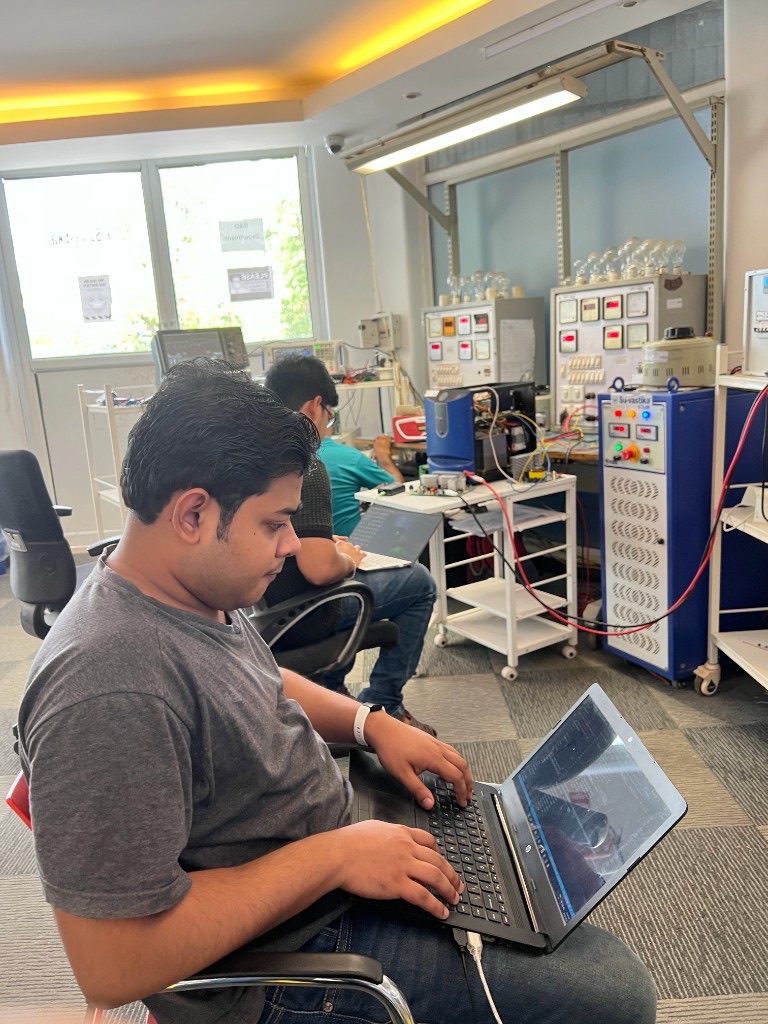
2. The Hardware Bench: Variacs, Destruct Rigs, and Oscilloscopes2. Hardware Bench: Variac, Destruction Rig और Oscilloscope
If you want durable hardware on an MSME budget, your workbench must replicate the worst-case scenarios of the Indian subcontinent. You do not need a multi-crore cleanroom. You need a calibrated storage oscilloscope, a variac, multi-channel temperature loggers, and a destruction rig designed to push prototypes to deliberate thermal and voltage failure.MSME budget पर टिकाऊ hardware चाहिए तो workbench को Indian subcontinent की सबसे खराब बिजली स्थितियाँ दोहरानी होंगी। Multi-crore cleanroom की ज़रूरत नहीं। चाहिए calibrated storage oscilloscope, एक variac, multi-channel temperature loggers, और एक destruction rig जो prototypes को जानबूझकर thermal और voltage failure तक ले जाए।
- The Destruction Rig: Hook your inverter prototype to a variable autotransformer (variac) and slam it with voltage swings from 120V to 300V. If a MOSFET pops, good — it popped on your bench, not in a customer's home.
- Component Autopsy: Tear down imported units and domestic clones alike. Understand why thermal sinks warp or transformer windings saturate under continuous load. Real R&D is born from reverse-engineering failure points — not from cloning protected features.
- Destruction Rig: Inverter prototype को variac से जोड़िए और 120V से 300V तक के झटके दीजिए। अगर MOSFET फटना है, तो आपकी bench पर फटे — customer के घर पर नहीं।
- Component Autopsy: Imported units और घरेलू clones दोनों की चीर-फाड़ कीजिए। समझिए thermal sinks क्यों मुड़ते हैं या continuous load पर transformer windings क्यों saturate होते हैं। असली R&D failure points से सीखकर जन्म लेती है — protected features की नकल से नहीं।
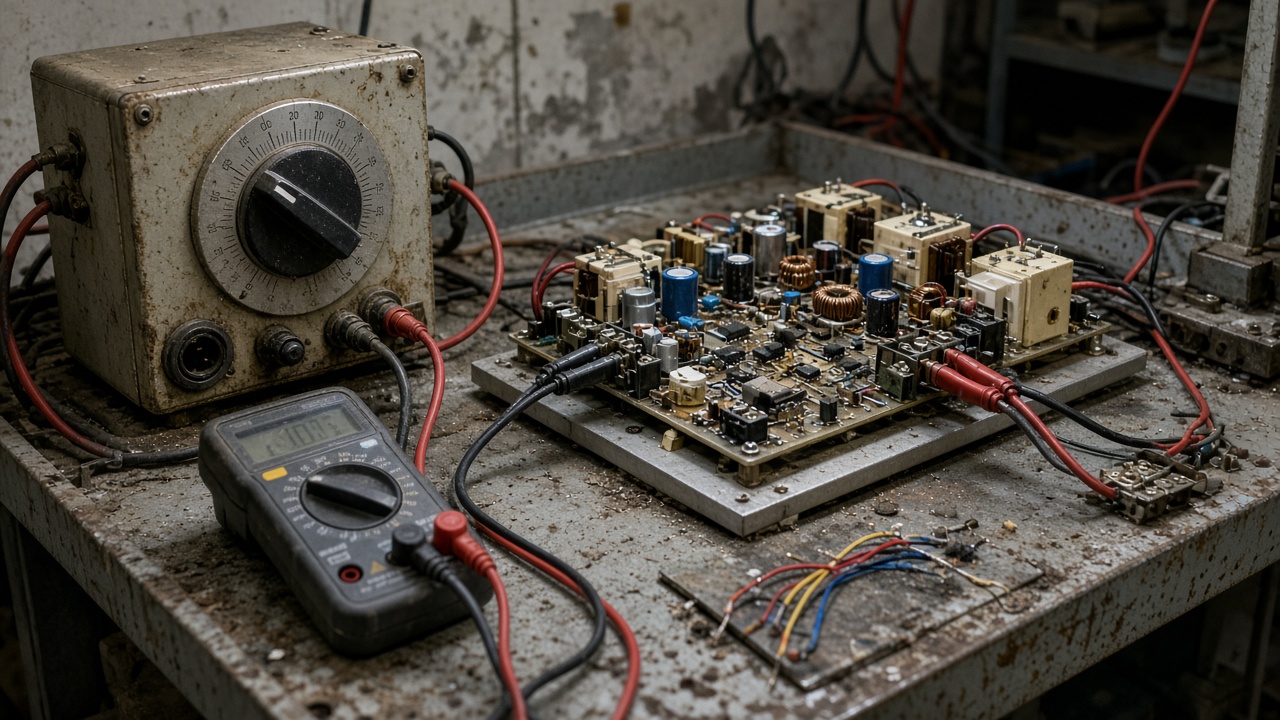
3. The Provisional Filing: Lock It Down for Roughly ₹5,0003. Provisional Filing: लगभग ₹5,000 में Priority Date Lock करना
Amateurs keep secrets in their heads and show finished products at trade expos, only to find three lookalikes the following month. Professionals file first and talk second.Amateur अपना idea सिर में रखते हैं और trade expo में पूरा product दिखा देते हैं — अगले महीने तीन lookalikes बाज़ार में। Professional पहले file करते हैं, बाद में बात करते हैं।
- The Power of Provisional: Before showing circuit topology, MCU control logic, or mechanical enclosure design outside your inner circle, file a provisional patent specification (Forms under the Indian Patents Act).
- Nominal Cost, Infinite Priority: Under current Indian Patent Office schedules, the official fee for individuals and qualifying startups is a nominal few thousand rupees (roughly ₹5,000). It buys an official priority date and a 12-month window to stress-test commercial viability before the complete specification.
- Provisional की ताकत: Circuit topology, MCU control logic या mechanical enclosure किसी बाहरी व्यक्ति को दिखाने से पहले provisional patent specification file कीजिए (Indian Patents Act के forms)।
- कम खर्च, पक्की Priority: वर्तमान IPO schedules के तहत individuals और qualifying startups के लिए official fee कुछ हज़ार रुपये है (लगभग ₹5,000)। इससे official priority date मिलती है और complete specification से पहले 12 महीने का window — market test और stress-test के लिए।
Always verify the current fee schedule on the Indian Patent Office portal before filing — schedules change; the principle does not: file early. I have written more on India's patenting culture and why hard-tech operators should treat IP as strategy — not paperwork — in Patenting in India and EVs (TOI Voices).File करने से पहले Indian Patent Office portal पर current fee schedule ज़रूर check कीजिए — schedules बदलते हैं; सिद्धांत नहीं: जल्दी file कीजिए। India's patenting culture और hard-tech operators को IP को कागज़ी काम नहीं — strategy क्यों मानना चाहिए, इस पर मैंने Patenting in India and EVs (TOI Voices) में और लिखा है।
4. Reverse Engineering to Superior Design4. Superior Design के लिए Reverse Engineering
There is a profound difference between mindless copying and strategic reverse engineering. Copycats replicate outer casing and pinouts. True innovators reverse-engineer existing failures to engineer a superior architecture. Studying competitor hardware for learning is standard R&D practice; cloning protected features or proprietary firmware logic is not.अंधी नकल और strategic reverse engineering में ज़मीन-आसमान का फ़र्क है। Copycats बाहरी casing और pinouts दोहराते हैं। असली innovators पुरानी failures समझकर बेहतर architecture बनाते हैं। सीखने के लिए competitor hardware पढ़ना standard R&D है; protected features या proprietary firmware की नकल करना नहीं।
- Targeting the Bottleneck: When we redesigned power conditioning units, we did not merely copy standard bridge rectifiers; we analyzed why thermal management failed under continuous 50°C ambient temperatures.
- Design for Manufacture: A brilliant circuit that semi-skilled labour cannot assemble reliably on an Indian shop floor is worthless. R&D must bridge electrical engineering with assembly-line ergonomics.
- Bottleneck पर वार: जब हमने power conditioning units redesign किए, तो सिर्फ bridge rectifiers कॉपी नहीं किए; परखा कि continuous 50°C ambient पर thermal management क्यों fail होता था।
- Design for Manufacture: ऐसा शानदार circuit जिसे Indian shop floor पर semi-skilled labour reliably न जोड़ सके, बेकार है। R&D को electrical engineering और assembly-line ergonomics जोड़ना होगा।
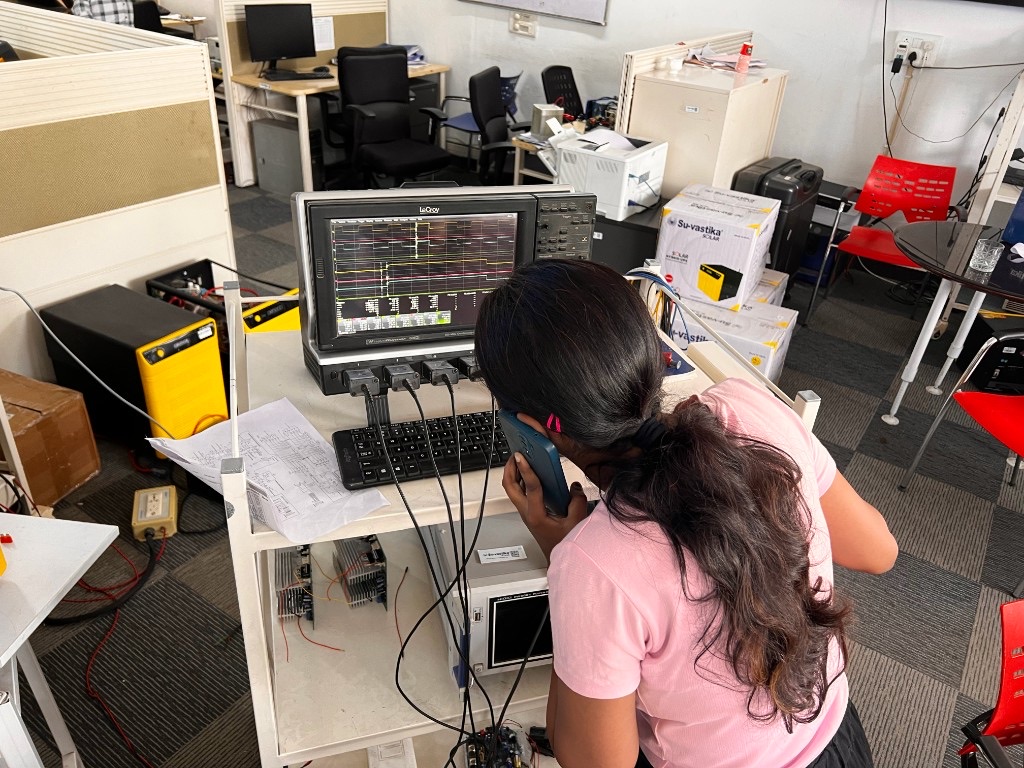
5. Shop-Floor Secrecy: Protecting the Core5. Shop-Floor Secrecy: Core की रक्षा
Paper patents are your legal shield; shop-floor discipline is your physical lock. In an ecosystem where component vendors and line workers move between competing shops, absolute openness is corporate suicide.कागज़ी patents कानूनी ढाल हैं; shop-floor discipline असली ताला है। जहाँ component vendors और line workers competitor shops के बीच घूमते हैं, वहाँ हर चीज़ खोलकर रखना business के लिए ख़तरनाक है।
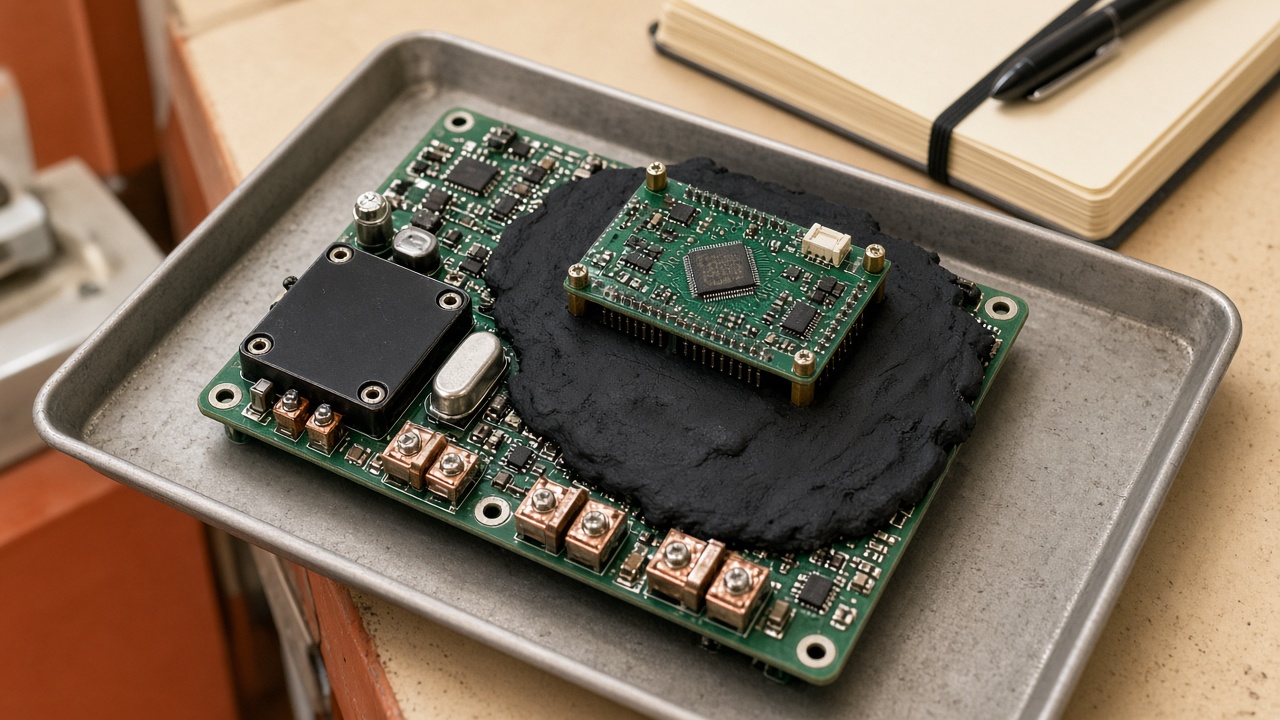
- Split PCB Architecture: Never put the entire schematic on a single master board. Separate the power stage from the intelligence/control daughterboard. Give each fabricator only what they need to see.
- MCU Firmware Protection: Lock microcontroller flash with read-protection fuse bits. If a rival tries to dump your hex code, they get garbage data.
- Resin Potting and Masking: Encapsulate critical custom sub-assemblies in opaque industrial epoxy, or sand off proprietary IC part numbers before third-party testing.
- Split PCB Architecture: पूरा schematic एक ही master board पर कभी न रखिए। Power stage को intelligence/control daughterboard से अलग रखिए। हर fabricator को सिर्फ उतना दिखाइए जितनी ज़रूरत हो।
- MCU Firmware Protection: Microcontroller flash को read-protection fuse bits से lock कीजिए। Rival hex dump करने आए तो garbage data मिले।
- Resin Potting और Masking: Critical custom sub-assemblies को opaque industrial epoxy में seal कीजिए, या third-party testing से पहले proprietary IC part numbers घिस दीजिए।
6. The Five R&D Rules for Hard-Tech Operators6. Hard-Tech Operators के लिए R&D के पाँच नियम
To build proprietary moats on an MSME budget, adhere to these five operational mandates:MSME budget पर proprietary moat बनाने के लिए इन पाँच नियमों को गांठ बांध लीजिए:
- File Before You Display: Never exhibit a working prototype, pitch a distributor, or publish a schematic without a provisional patent timestamp already secured.
- Torture on the Bench: Build destruction rigs and test for worst-case grid realities — not idealized lab conditions. Push components toward 120% rated load in a hot chamber when you can.
- Maintain Detailed Lab Notebooks: Keep dated, signed physical engineering journals logging failed experiments, circuit tweaks, and component changes. In infringement fights, witnessed hardbound logs still carry weight.
- Fragment the Supply Chain: Never hand a single vendor the complete blueprint, enclosure, PCBA, and loaded firmware under one roof.
- Pursue Utility and Design Protection: Secure utility protection for core technical breakthroughs (circuit topology, mechanisms) and protect distinctive industrial aesthetics where it matters — utility creates the commercial moat.
- Display से पहले File: Provisional patent timestamp के बिना working prototype न दिखाइए, distributor को pitch न कीजिए, schematic publish न कीजिए।
- Bench पर Torture: Destruction rigs बनाइए और idealized lab नहीं — सबसे खराब grid हकीकत पर test कीजिए। जहाँ हो सके, hot chamber में 120% rated load तक धकेलिए।
- Lab Notebooks रखिए: Failed experiments, circuit tweaks और component changes का dated, signed physical journal रखिए। Infringement लड़ाई में witnessed hardbound logs आज भी वजन रखते हैं।
- Supply Chain Fragment रखिए: Enclosure, PCBA और loaded firmware का पूरा blueprint एक vendor को एक छत के नीचे कभी न दीजिए।
- Utility और Design दोनों: Core technical breakthroughs (circuit topology, mechanisms) के लिए utility protection लीजिए; जहाँ ज़रूरी हो industrial aesthetics भी बचाइए — असली commercial moat utility से बनती है।
7. Building the Physical Moat7. Physical Moat का निर्माण
Legal paperwork and secret assembly rooms buy you time; relentless execution builds the final moat. Software can be cloned by an AI prompt in minutes. Hardware that survives ten years on a factory floor in Punjab or a rooftop in Rajasthan cannot be faked overnight.कानूनी कागज़ात और secret assembly rooms आपको समय देते हैं; निरंतर execution अंतिम moat बनाता है। Software को AI prompt मिनटों में clone कर सकता है। Punjab की factory floor या Rajasthan की छत पर दस साल चलने वाला hardware रातों-रात नकल नहीं होता।
Much like the distribution and demonstration moats in Cable TV to ₹1,200 Crore — where India's first plastic-body inverter became both product and marketing breakthrough — or the operator stack in What an Indian MSME Actually Needs from AI, your defense is velocity. By the time a competitor bypasses your MCU fuses and clones version one, your shop floor should already be shipping version three.जैसे Cable TV to ₹1,200 Crore में distribution और demonstration की moat — जहाँ India का पहला plastic-body inverter product भी बना और marketing breakthrough भी — या What an Indian MSME Actually Needs from AI वाला operator stack, आपकी असली रक्षा रफ़्तार है। जब तक competitor आपके MCU fuses तोड़कर version one की नकल करेगा, आपकी shop floor version three ship कर चुकी होनी चाहिए।
For deeper archives on patents and public profiles, see kunwersachdev.com/news and the WIPO system that underwrites international filings. On patent strategy in India's hard-tech and EV context: Patenting in India and EVs. Related operator lessons: Legal Journey · Cable TV Marketing · MSME AI · The NCLT Trap.Patents और public profiles के deeper archives के लिए kunwersachdev.com/news और international filings वाले WIPO system देखिए। India के hard-tech और EV context में patent strategy: Patenting in India and EVs। Related operator lessons: Legal Journey · Cable TV Marketing · MSME AI · The NCLT Trap।