Going through NCLT or IBC? Get guidance from a founder who has lived it.
If you're an entrepreneur facing insolvency proceedings — corporate (Section 7, Section 9) or personal-guarantor (Section 95) — I've walked the same road. I can help you understand what's coming next, which moves compound, which advisors are worth paying, and which to walk away from. Founder-to-founder guidance, drawn from primary experience.
Three ways to talk to Kunwer directly.
Pre-IBC triage
Before a creditor files Section 7 or Section 9, there's a window where smart moves can change the outcome. Talk to me about your cash position, personal guarantees, and creditor pressure. I'll tell you the next three things that actually matter.
During-IBC navigation
If proceedings have started, the first 90 days are decisive. Which advisors are worth their fees. Which board minutes need recording. How to think about Section 95 personal-guarantor exposure if it's hanging over you. I've sat in those rooms — I'll help you sit better.
Post-IBC recovery
After resolution or liquidation, the next chapter is rebuilding. What stays with you, what walks away, and how to position your next venture. I rebuilt after my own. I can show you the path I took and the mistakes I'd skip.
Three minutes. One short message. I'll respond personally.
No automated chatbot, no funnel. You write what's happening, I read it, and we set up a call if it's the right fit. The intake below tells me where you are in the process so we don't waste each other's time.
Or email directly: support@kunwwer.ai
How a founder navigates labour courts, IP battles, government disputes, NCLT, Section 95, and rebuilds.
Labour Court Wars: Baddi & Mass Resignation (2014–2019)
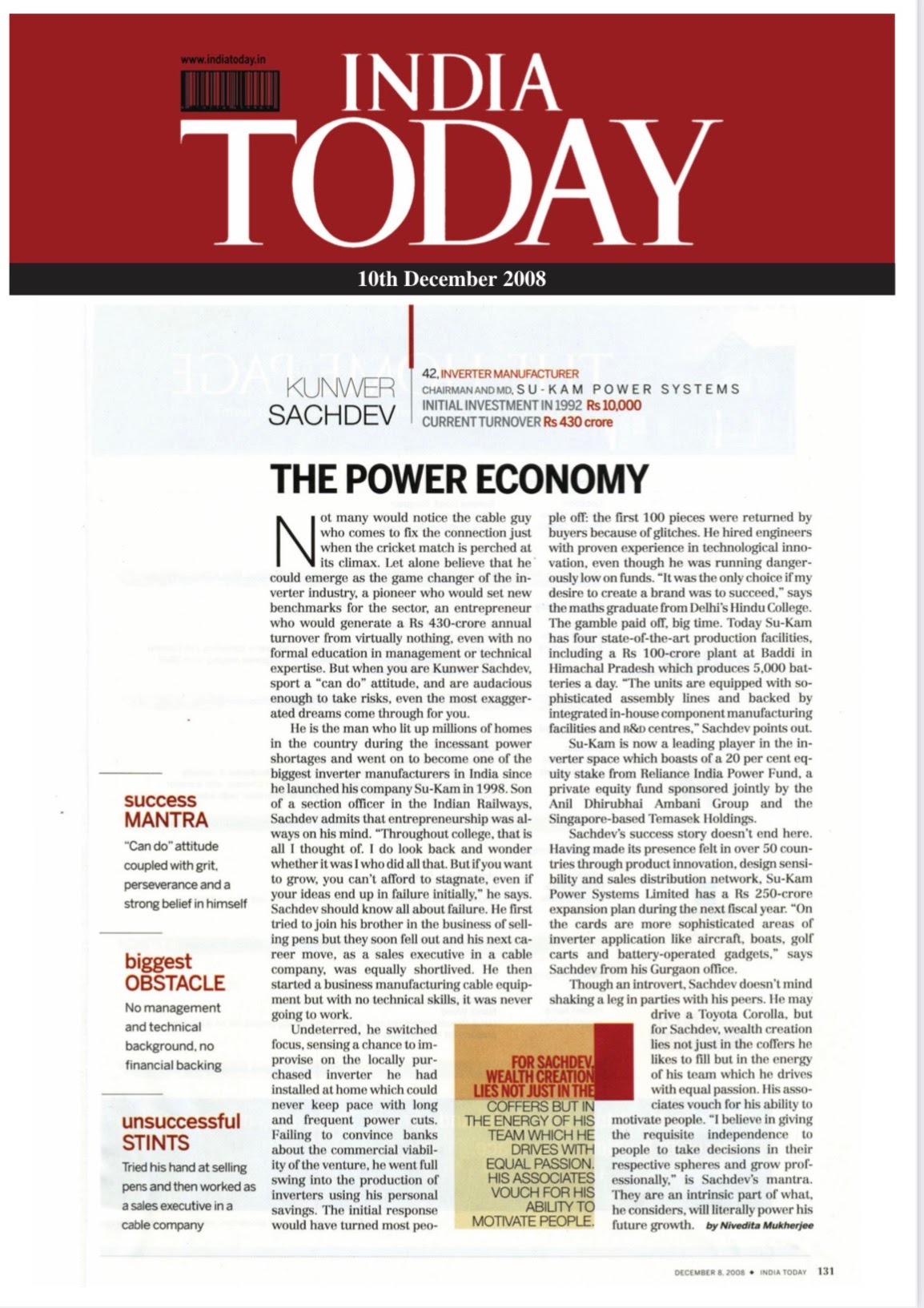
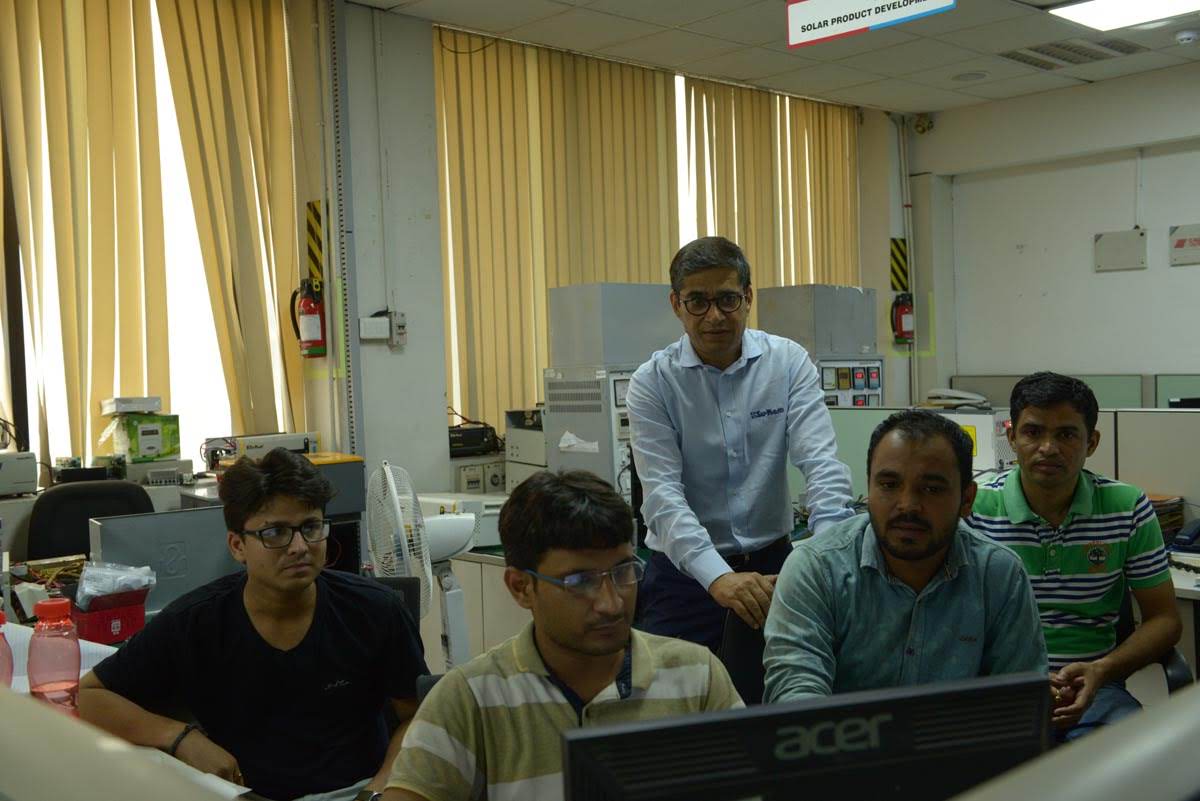
Running a 30-year company at scale means managing thousands of employees across multiple states. During 2014–2017, we faced significant labour disputes in our Baddi manufacturing facility — strikes, worker grievances, and demand letters from unions. I handled these single-handedly: negotiating with worker representatives, preparing for labour court hearings, understanding the Industrial Disputes Act, and fighting for the company's position.
The Himachal Pradesh High Court case (CWP 1646/2016) centered on worker dismissals and compensation. By 2019, the company faced mass resignations as stress on working capital made salary certainty impossible. This was a painful lesson: legal battles with labour are not about winning in court — they're about the human cost of business failure.
The pattern: when cash dries up, labour disputes multiply. Courts don't care about your cash-flow problems. They care about worker rights and procedural compliance.

IP Battles: Fighting Counterfeiters & Product Copiers
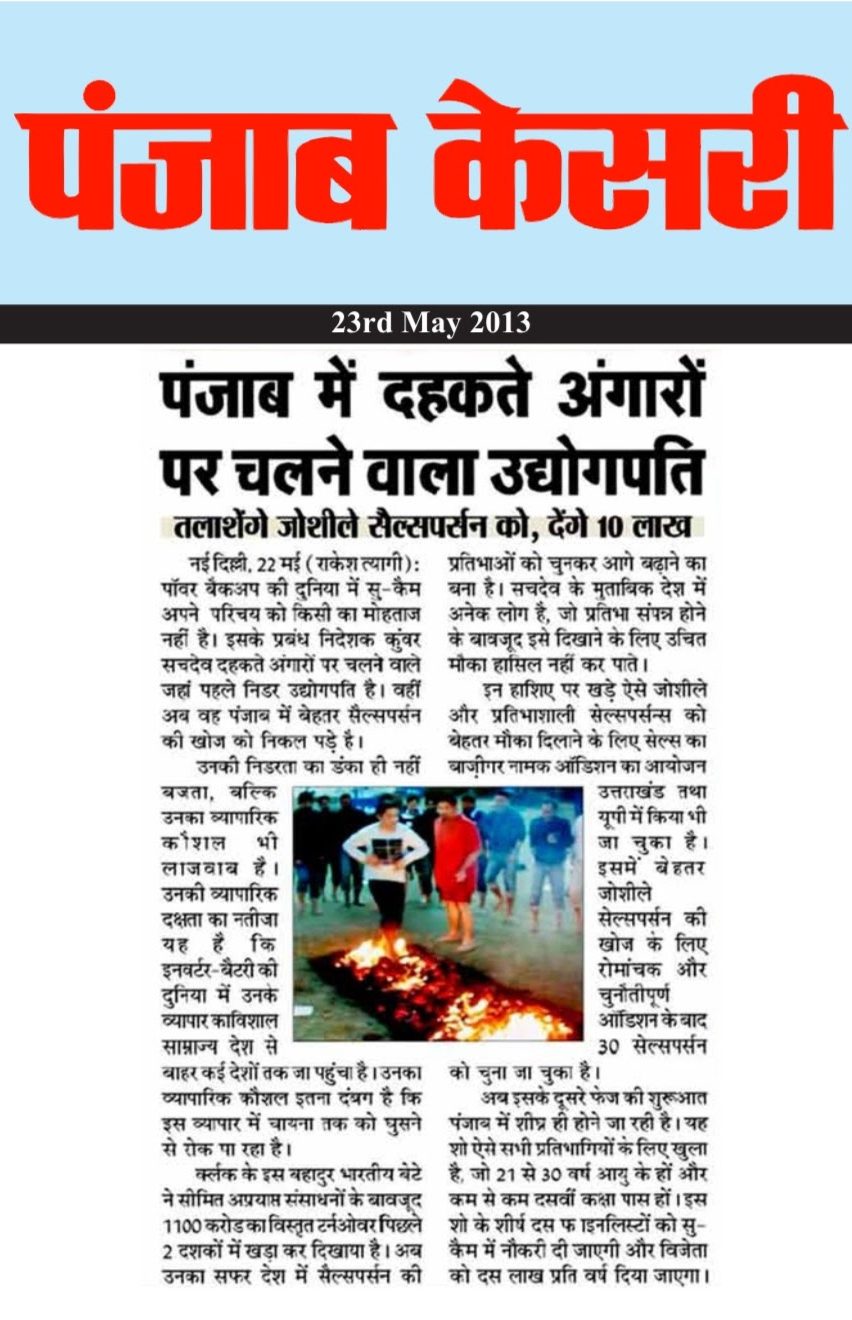
When you build a category from scratch, small companies rush in to copy. We fought trademark infringement cases against competitors using the Su-Kam name illegally. We fought product counterfeiting cases against manufacturers producing fake inverters and batteries bearing our name. We fought intellectual property disputes in multiple courts — Delhi High Court, IP Appellate authorities, and regional courts.
The IP learnings became foundational to the Legal Shield product: how to protect your trademark, how to identify counterfeit threats early, how to escalate disputes with leverage, and how to understand your own exposure. Su-Kam's case (CS 1155/2018) established that we were the exclusive registered proprietor of the Su-Kam mark in Class 9 — but proving it required years of litigation, evidence gathering, and court arguments.
The pattern: Brand protection is permanent warfare. You can't stop. One lost case and counterfeiters own your market.
Government Disputes: Solar Installation Payment Recovery
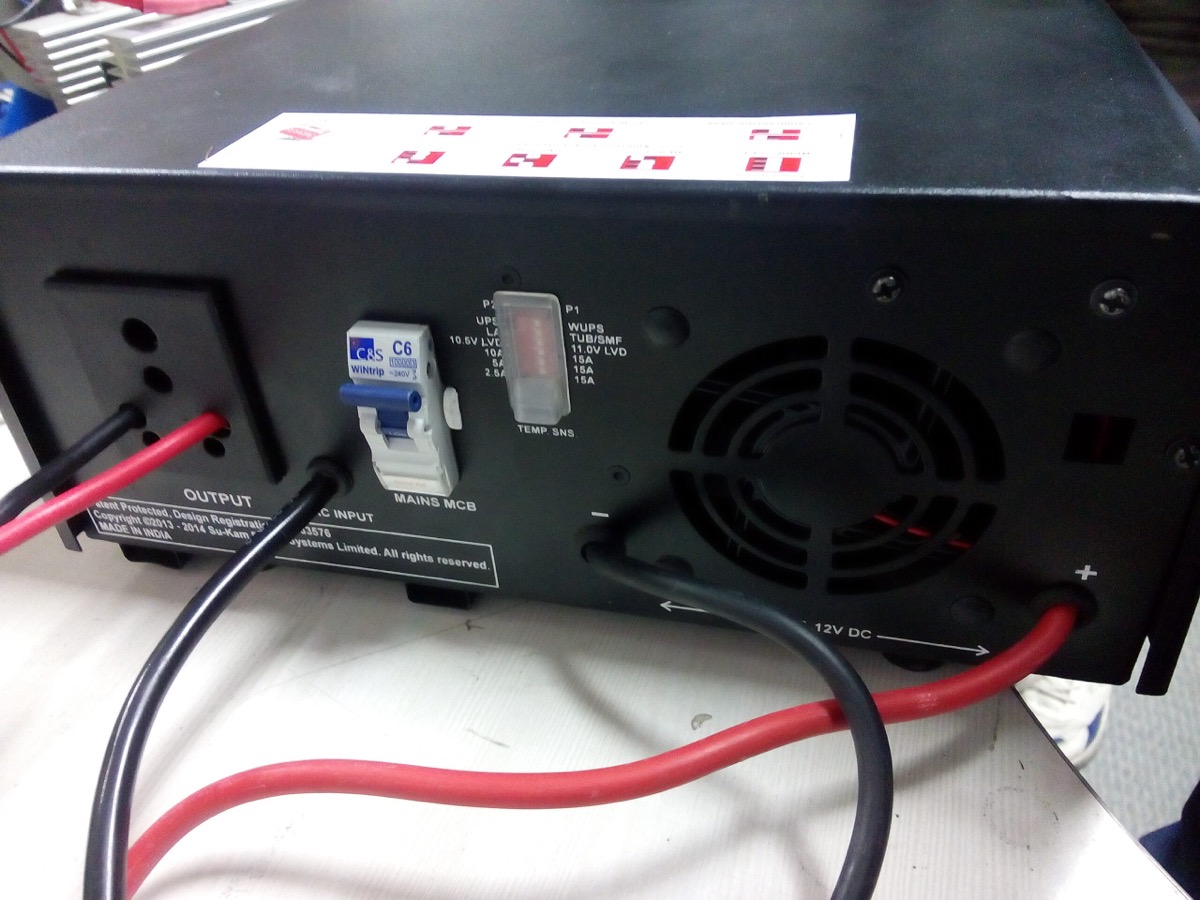
During the 2013–2016 solar push, we won government contracts to install solar systems across multiple states. The contracts looked solid on paper. In reality, state governments and departments delayed payments for 6–18 months. We installed systems, delivered products, and then waited for government treasuries to move.
We filed cases in different state courts and government procurement tribunals demanding payment recovery. We negotiated with state power departments, filed RTI requests, escalated to state electricity regulatory commissions, and fought bureaucratic delays. Some payments came after years. Some never came. Government contracts taught us a hard lesson: credit risk doesn't disappear just because the customer is the government.
The pattern: Government contracts kill working capital. The deal size is big, but payment terms are 6–24 months. If you can't fund the gap, you collapse. We couldn't.
Case links coming — government cases are still in archives.
The Personal Guarantee Trap (2012–2018)
Every banker says the same thing: "It's routine. Standard clause. No big deal for a company of your size." What they don't tell you is that when cash flow tightens, your personal assets become the collateral for the company's debts. By 2016, I had stacked PGs with IDBI Bank, ICICI Bank, and other working-capital providers — totaling over ₹80+ crores in cumulative exposure on my signature alone.
The legal trap: If the company misses payments, the bank doesn't just go after company assets. They come after your home, your savings, your personal investments. And under IBC Section 95 (personal guarantor insolvency), your personal bankruptcy becomes possible — not because you failed personally, but because the company did.
The pattern I've seen: founders sign these without understanding the cumulative exposure. A ₹10-crore facility feels fine. Five of them, and you've signed away personal liability exceeding your net worth.
NCLT: Corporate Insolvency & Liquidation (2018–2020)
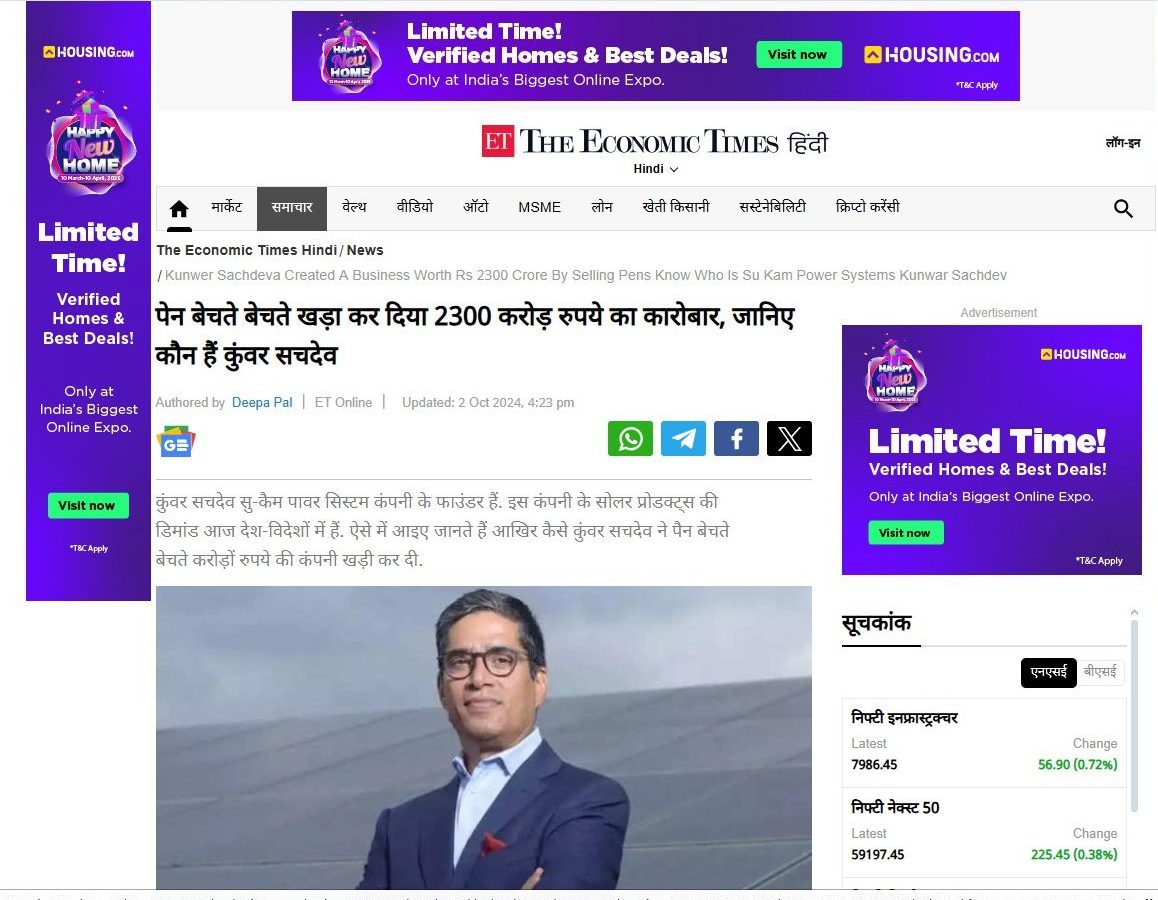
On April 5, 2018, IDBI Bank and other creditors filed a Section 7 petition with the NCLT. Within 14 days, the petition was admitted. The company was placed into Corporate Insolvency Resolution Process (CIRP). An Insolvency Resolution Professional (RP) was appointed. I lost operational control of Su-Kam.
What the NCLT process means: The RP now controls the company. Your board is dissolved. Your management authority ends. Any decisions — hiring, selling assets, paying suppliers — go through the RP. Your job is to submit a resolution plan that creditors vote on. If it fails, the company goes into liquidation.
The timeline: CIRP was supposed to end in 180 days. It didn't. It stretched into a year of creditor meetings, plan submissions, failed resolution attempts, and constant cash burn. By the time liquidation was ordered, the company's value had eroded by 50%+.
Su-Kam was sold for ₹49.50 crores. The RP's costs alone exceeded ₹45 crores. Banks recovered only ₹8 crores. Everyone else lost everything.
Section 95 & Personal Insolvency: The Reckoning (2019–2023)
As the company's CIRP left creditors with massive losses, they turned to me under IBC Section 95: insolvency proceedings against the personal guarantor. The logic is simple: you promised to repay if the company couldn't. The company couldn't. Now you must.
The NCLT admitted my personal insolvency proceedings. An Insolvency Professional was appointed to oversee asset liquidation. My home became assessable. My bank accounts were reviewed. My personal investments were inventoried. Everything I owned became part of creditors' recovery.
The emotional toll: losing a company is devastating. Losing control of your personal assets because of a guarantee you signed 15 years ago — when the company was small and the banker said "it's routine" — is a different kind of pain. Family discussions become about which assets to liquidate. Sleep disappears.
I fought this in NCLAT and Supreme Court, challenging the scope of personal liability and the procedural fairness of Section 95. I also won a landmark case against IDBI Bank — the Delhi High Court in February 2024 directed the IBBI to establish formal conduct guidelines for Committees of Creditors. What looked like a personal legal problem became a precedent protecting future creditors and committees.
Delhi High Court CoC governance ruling → | Supreme Court judgment →
Rebuild: Su-Vastika & Changing the System
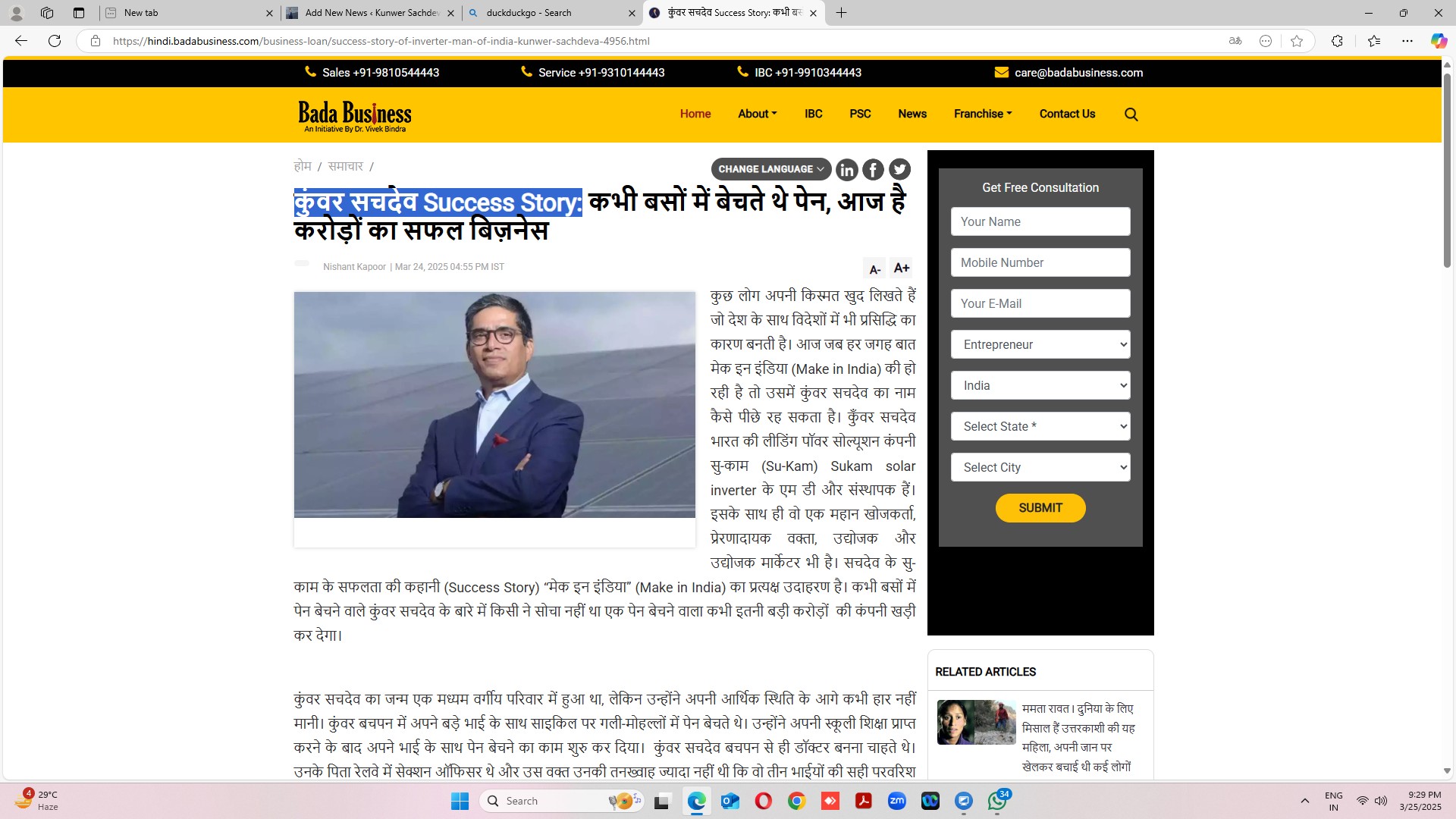
By 2023, the insolvency process resolved. I went through every court proceeding, fought Section 95 battles through NCLAT and Supreme Court, and navigated personal asset liquidation. It took five years. It cost everything I had built. But it also gave me clarity I couldn't have bought any other way.
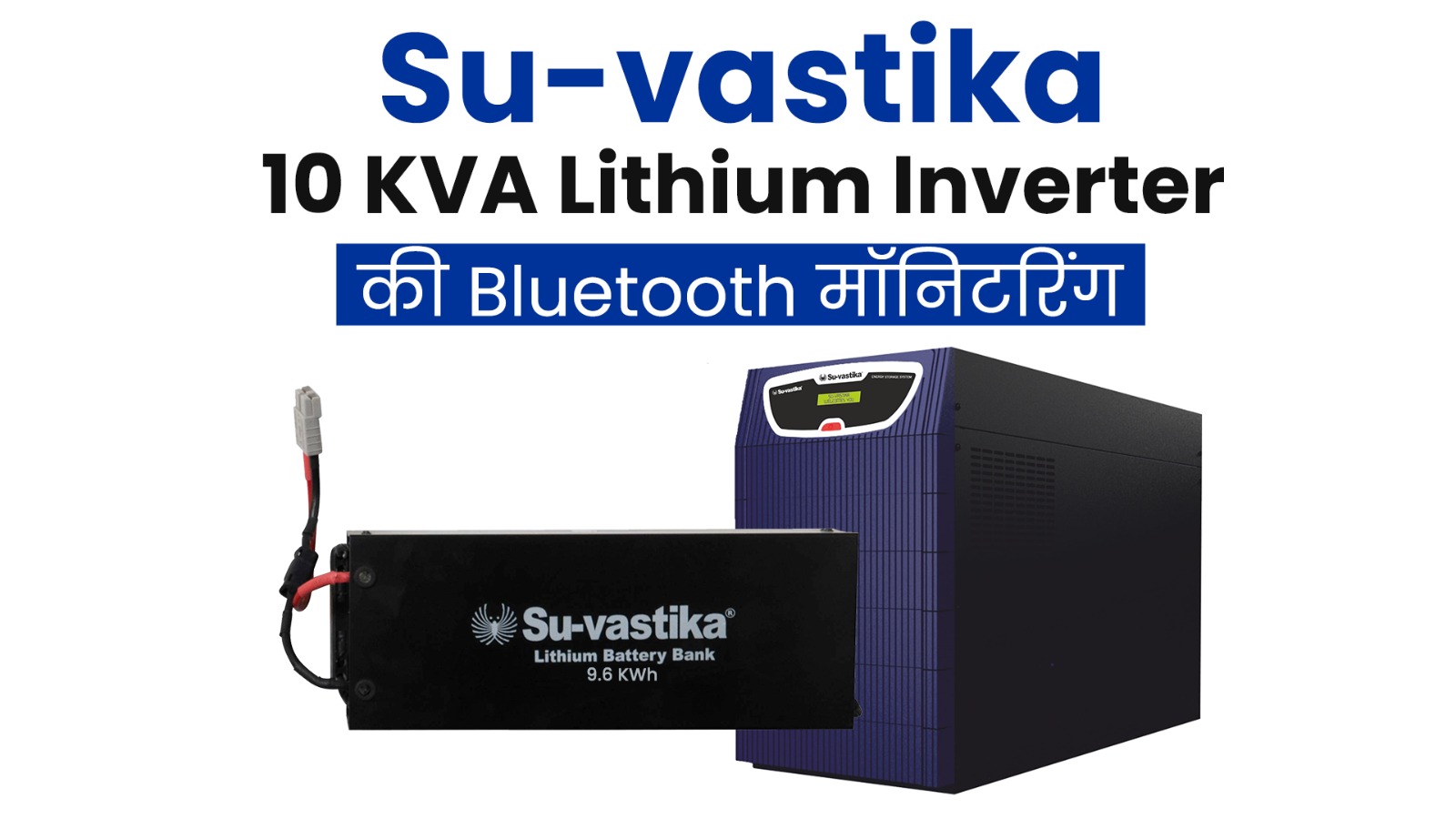
I launched Su-Vastika — a new venture focused on IoT-integrated warranty and customer relationship management for power-system manufacturers. The insights from being destroyed by outdated legal structures? That's the product now.
More importantly: I didn't just rebuild a business. I changed the legal system. My cases in the Delhi High Court and Supreme Court established precedents that made CoC governance transparent, made Section 95 more procedurally fair, and gave other founder-guarantors a better path than I had.
The lesson: you can get destroyed by the legal system, or you can use the experience to change it. I chose the second path. That's what Legal Shield is — the codified learning from that choice.

Seven legal lessons that built Legal Shield
Workers know when a company is failing. Disputes explode.
Counterfeiters and copiers never stop. Neither can you.
Big deal size, brutal payment terms. Can't fund the gap? You fail.
Each facility feels routine. Together? They're a bomb.
Days separate demand letter from Section 7/9 filing.
It's a legal process. You lose control. Plan for that.
Your signature. Your personal assets. Your future.
What's included — pricing on request.
- Unlimited contract scans across distributor, employment, vendor, MSA, SHA, and term-sheet templates
- Full insolvency model with IBC Section 7/9 exposure and personal-guarantor scenarios
- Dispute escalation maps with leverage diagnostics
- Redline suggestions exportable to .docx and .pdf
- Quarterly legal-health report with comparative benchmarks
- Priority email support from the Kunwwer.ai team
Legal Shield is not a lawyer.
It's a first-pass diagnostic from an operator who has been through more legal proceedings than most founders ever will. It tells you what to worry about and what to ask your lawyer. It doesn't replace counsel — it makes the time you spend with counsel ten times sharper.
The output is informational, not legal advice. Always verify with qualified counsel before acting.
I'm working with founders directly during this beta phase.
If you're staring at NCLT, IBC, or Section 95 — or you can see one of those coming — get on a call with me. No obligation, no contract. Just one founder talking to another about what to do next.