Local brand flaw — indicators can lie while power flows the wrong way into the panelsLocal brand की खामी — indicators झूठ बोल सकते हैं जबकि पावर उलटी दिशा में panels में जा रही हो
For MSMEs in hardware, power electronics, and green energy, the temptation to compete on price alone is immense. Strip protective circuitry, cut conversion efficiency, rush to market — and undercut the neighbour.Hardware, power electronics और green energy में MSMEs के लिए सिर्फ कीमत पर लड़ना बहुत लुभावना लगता है। Protection काटना, conversion efficiency घटाना, बाज़ार में दौड़ना — और पड़ोसी को undercut करना।
Drawing from technical comparisons between market alternatives and Su-Kam's Solar Conversion Kit, here is why cheap engineering destroys trust — and the message MSMEs must own. Same mindset as engineering warranty out of the battery line: put the safeguard in the product.बाज़ार के alternatives और Su-Kam के Solar Conversion Kit की तकनीकी तुलना से यह playbook है — सस्ती engineering trust क्यों तोड़ती है, और MSMEs को कौन सा संदेश अपनाना चाहिए। वही सोच जो battery line से warranty बाहर निकालने में थी: safeguard product के अंदर डालो।
Reverse Connections: Protecting the AssetReverse Connections: Asset की रक्षा
When installing solar conversion kits or hybrid add-ons, a common field hazard is accidental reverse connection of battery terminals (+ and −).Solar conversion kits या hybrid add-ons लगाते समय आम field hazard है — battery terminals (+ और −) का accidental reverse connection।
- Local brand flaw: Inverse connection can make the battery feed power into the solar panel instead of charging. Misleading indicators may still show “charging,” so the installer never notices.
- Financial catastrophe: Reverse flow can destroy the array. On a 300W install: panels ≈ Rs. 60 × 300 = Rs. 18,000; installation ≈ Rs. 20 × 300 = Rs. 6,000; total loss ≈ Rs. 22,000 — against a kit that may cost only about Rs. 1,700–2,200.
- Engineered solution: Su-Kam's Solar Conversion Kit carried an Automatic Terminal Connector Indicator (ATC) that warns on incorrect polarity and refuses to function until connections are correct — protecting the panels before damage starts.
- Local brand खामी: Inverse connection से battery सौर पैनल को फीड कर सकती है बजाय charge होने के। गलत indicators “charging” दिखा सकते हैं, इसलिए installer गलती देख ही नहीं पाता।
- वित्तीय तबाही: Reverse flow array नष्ट कर सकता है। 300W install पर: panels ≈ Rs. 18,000; installation ≈ Rs. 6,000; कुल नुकसान ≈ Rs. 22,000 — जबकि kit शायद सिर्फ Rs. 1,700–2,200 का हो।
- Engineered हल: Su-Kam Solar Conversion Kit में ATC (Automatic Terminal Connector Indicator) था जो गलत polarity पर चेतावनी देता और सही connection तक चलने से इनकार करता — नुकसान शुरू होने से पहले panels बचाता।
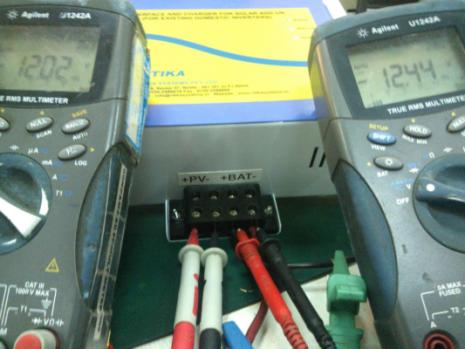
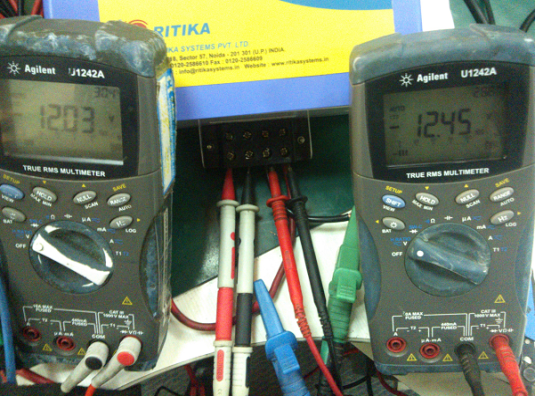
Incorrect connection of battery connectors — situation that should never silently “work”Battery connectors का गलत connection — जो चुपचाप “काम” कभी नहीं करना चाहिए
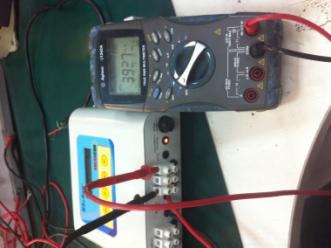
ATC — warn and lock until polarity is rightATC — सही polarity तक चेतावनी और lock
Low-Light Voltage Drops: Auto-DisconnectLow-Light Voltage Drops: Auto-Disconnect
As evening falls or clouds thicken, panel voltage can drop below battery voltage — e.g. panel at 10V while the battery sits at 12V.शाम ढलते या बादल घने होते ही panel voltage battery से नीचे जा सकता है — जैसे panel 10V, battery 12V।
- Power leakage flaw: Current flows high to low. Cheap kits that do not auto-disconnect let the battery slowly discharge into the panel.
- Long-term damage: That reverse trickle can slash panel life from ~25 years to about 4–5 years. For a 300W install, annualized cost can jump from ~Rs. 720/year to ~Rs. 3,600/year — about 500%.
- Engineered solution: Microcontroller-based detection must cut the PV path the moment PV voltage falls below battery voltage — Conversion Kit switches off, panels stay safe.
- Power leakage खामी: करंट ऊँचे से नीचे की ओर बहता है। जो सस्ते kits auto-disconnect नहीं करते, उनमें battery धीरे-धीरे panel में discharge होती रहती है।
- लंबे समय का नुकसान: यह reverse trickle panel life को ~25 साल से घटाकर लगभग 4–5 साल कर सकता है। 300W install पर वार्षिक लागत ~Rs. 720 से ~Rs. 3,600 — करीब 500%।
- Engineered हल: Microcontroller-based detection को PV voltage battery से नीचे जाते ही PV path काटना चाहिए — Conversion Kit बंद, panels सुरक्षित।
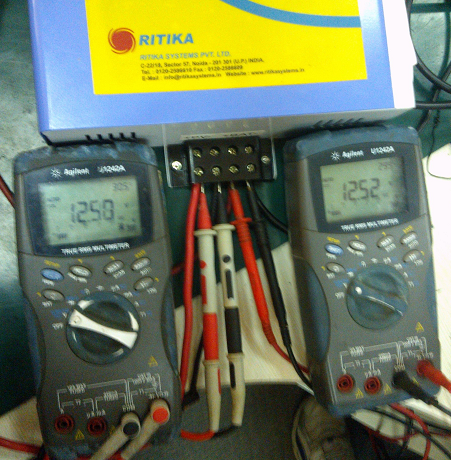
No auto-disconnect in low light — silent leak from battery into the panelLow light में auto-disconnect नहीं — battery से panel में खामोश leak
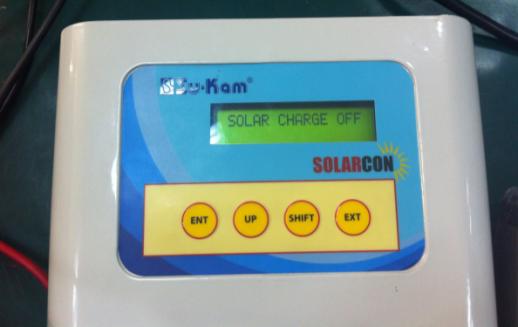
Smart detection — disconnect the moment PV voltage drops below batterySmart detection — PV voltage battery से नीचे जाते ही disconnect
Conversion Loss: Efficiency as a MoatConversion Loss: Efficiency ही Moat
Whenever solar power is converted for battery charging, some energy is lost. The question is how much you force the customer to waste.जब solar power battery charging के लिए convert होता है, कुछ ऊर्जा खोती है। सवाल यह है — customer को कितना बर्बाद करने पर मजबूर करते हो।
- Inefficiency trap: Local kits often lose 8–9%. Panel generating 287W → battery may receive only ~263W. Making up the gap means dead panel investment and less house load served (the comparison deck framed it as losing the ability to light several LED rooms).
- Precision standard: High-efficiency engineering limits loss to about 2–4% (0% is not achievable). On ~300W panels, that can mean roughly Rs. 840 less dead investment at install versus an 8–9% kit — and fewer “lost” LED rooms.
- Inefficiency जाल: Local kits अक्सर 8–9% खोते हैं। 287W generate करने वाला panel → battery को ~263W। अंतर पूरा करने का मतलब dead panel investment और कम घर का load (comparison deck में कई LED rooms की रोशनी खोने जैसा बताया गया)।
- Precision मानक: High-efficiency engineering loss को लगभग 2–4% तक रखती है (0% संभव नहीं)। ~300W panels पर 8–9% kit के मुकाबले install पर करीब Rs. 840 कम dead investment — और कम “खोए” LED rooms।
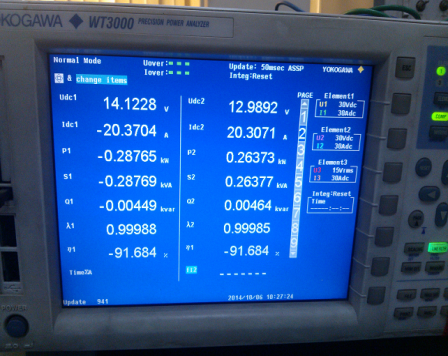
Conversion loss — watts generated versus watts the battery actually receivesConversion loss — generate हुए watts बनाम battery को वास्तव में मिले watts
Competition conversion loss 8–9% | Engineered kit 2–4%Competition conversion loss 8–9% | Engineered kit 2–4%
The Core Message for MSME FoundersMSME Founders के लिए मूल संदेश
Cheap products cost customers more; engineered reliability builds brands that last.सस्ते उत्पाद customers को ज़्यादा महंगे पड़ते हैं; engineered reliability वे brands बनाती है जो टिकते हैं।
Cutting corners on reverse-polarity protection, auto-disconnect, and conversion efficiency may save rupees on the line — and transfers ruin onto dealers and households. True manufacturing leadership builds the safeguard into every unit. Same seriousness as BIS as an engineering mission: quality is not a brochure line; it is circuitry that refuses to fail silently.Reverse-polarity protection, auto-disconnect और conversion efficiency पर कटौती line पर कुछ रुपये बचा सकती है — और तबाही dealers व घरों पर डालती है। असली manufacturing leadership हर यूनिट में safeguard बनाती है। वही गंभीरता जो BIS को engineering mission बनाने में थी: quality brochure की लाइन नहीं; वह circuitry है जो चुपचाप fail होने से इनकार करती है।
The 5 Protection Rules for Hardware MSMEsHardware MSMEs के लिए Protection के 5 नियम
- Never trust a silent wrong polarity: Indicate and lock — ATC-style — until terminals are correct.
- Auto-disconnect when PV < battery: Low light is when cheap kits leak; engineered kits cut the path.
- Publish conversion loss honestly: Design for ~2–4%; do not ship 8–9% and call it value.
- Price the catastrophe, not the BOM: A Rs. 500 kit saving is nothing next to a Rs. 22,000 panel write-off.
- Sell protection as the brand: Dealers remember whose installs did not burn arrays.
- खामोश गलत polarity पर भरोसा मत कीजिए: ATC-शैली में indicate और lock — जब तक terminals सही न हों।
- PV < battery पर auto-disconnect: Low light में सस्ते kits leak करते हैं; engineered kits path काटते हैं।
- Conversion loss ईमानदारी से बताइए: ~2–4% के लिए डिज़ाइन कीजिए; 8–9% बेचकर value मत कहिए।
- BOM नहीं, तबाही का हिसाब कीजिए: Rs. 500 की kit बचत Rs. 22,000 के panel write-off के सामने कुछ नहीं।
- Protection को brand बनाकर बेचिए: Dealers याद रखते हैं किसके installs ने arrays नहीं जलाए।