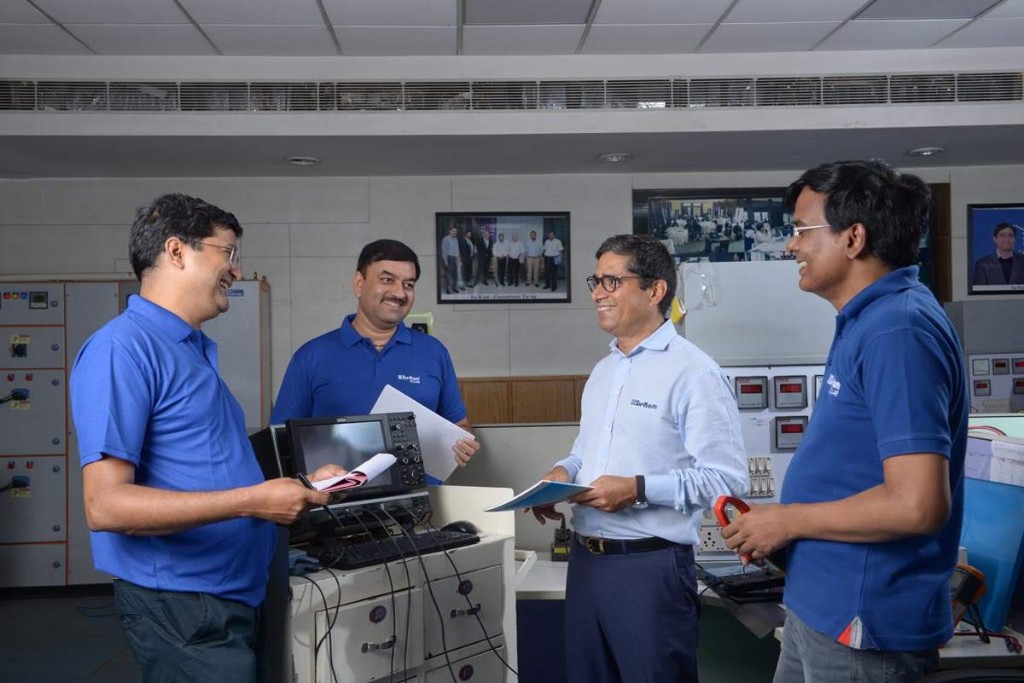
From one seed to a team — Sanjeev Saini and colleagues in the Su-Kam R&D labएक बीज से पूरी टीम — Su-Kam R&D lab में संजीव सैनी और साथी
The Great Myth: Waiting for a "Ready-Made" Personसबसे बड़ा भ्रम: किसी "बने-बनाए" इंसान का इंतज़ार करना
The single biggest challenge holding Indian MSMEs back from innovation is not lack of ambition; it is waiting for an imaginary solution. Founders constantly tell me: "Kunwer ji, the day I find an experienced R&D Manager who knows inverters, lithium batteries, or automation, I will start my R&D department."Indian MSMEs को innovation से रोकने वाली सबसे बड़ी रुकावट हौसले की कमी नहीं है; वह है किसी काल्पनिक समाधान का इंतज़ार करना। Founders अक्सर मुझसे कहते हैं: "कुंवर जी, जिस दिन मुझे कोई अनुभवी R&D Manager मिल जाएगा जिसे inverters, lithium batteries या automation का पूरा ज्ञान हो, उस दिन मैं अपना R&D department शुरू कर दूंगा।"
Let me tell you an uncomfortable truth from thirty years of building hardware: You will never find a ready-made person. In India, the specialists you are dreaming of either do not exist, or they are working in multinational corporate labs where they are paid ₹50 lakh a year to work on narrow, localized components. They will never join a small factory in Gurgaon, Ludhiana, or Rajkot to get their hands dirty on your bench.मैं hardware निर्माण के तीस सालों के तजुर्बे से आपको एक कड़वा सच बताता हूँ: आपको कभी कोई बना-बनाया तैयार इंसान नहीं मिलेगा। India में जिस specialist का सपना आप देख रहे हैं, या तो वह मौजूद ही नहीं है, या फिर वह किसी बड़ी विदेशी MNC lab में साल के ₹50 lakh लेकर किसी छोटे से पुर्ज़े पर काम कर रहा है। वह कभी Gurgaon, Ludhiana या Rajkot की किसी छोटी factory में आकर bench पर हाथ काले नहीं करेगा।
R&D in an MSME does not start with a 10-person department. It starts with a single resource designated exclusively for that post. Not a shared resource who fixes plant machinery in the morning and does R&D in the afternoon. One person whose sole job is new product development. And then, slowly, patiently, the founder must develop that person brick by brick.एक MSME में R&D 10 लोगों के department से शुरू नहीं होता। यह शुरू होता है उस काम के लिए तय किए गए सिर्फ एक अकेले इंसान से। ऐसा इंसान नहीं जो सुबह factory की मशीनें ठीक करे और दोपहर में R&D करे। एक ऐसा व्यक्ति जिसकी एकमात्र ज़िम्मेदारी सिर्फ new product development हो। और फिर, धीरे-धीरे, सब्र के साथ founder को उस इंसान को तराशना पड़ता है।
The First Hire: How Sanjeev Saini Started Su-Kam's R&Dपहला कदम: कैसे संजीव सैनी से Su-Kam का R&D शुरू हुआ
When I decided to revolutionize inverters in the late 1990s, I did not have a research center. I hired one young man: Sanjeev Saini. He did not join as an experienced power electronics veteran; he joined as a software programmer.1990 के दशक के अंत में जब मैंने inverters की दुनिया बदलने की ठानी, तो मेरे पास कोई research center नहीं था। मैंने एक नौजवान को hire किया: संजीव सैनी। वे किसी power electronics के दिग्गज के तौर पर नहीं आए थे; वे एक साधारण software programmer के रूप में जुड़े थे।
I designated him as the anchor of our research. I told him: "You are responsible for establishing our standards, building our test lab, and figuring out what is needed to make an inverter that doesn't hum." We gave him the equipment, gave him the space, and stood behind him. From that single individual, Su-Kam's R&D was born.मैंने उन्हें अपनी research की धुरी बनाया। मैंने उनसे कहा: "हमारी standards तय करना, testing lab बनाना, और यह पता लगाना कि बिना आवाज़ वाला inverter कैसे बनेगा — यह सब आपकी ज़िम्मेदारी है।" हमने उन्हें औज़ार दिए, काम करने की आज़ादी दी, और उनके पीछे खड़े रहे। उस एक अकेले इंसान से Su-Kam के R&D का जन्म हुआ।
As Sanjeev tackled the code and the physics, other people joined one by one — Chauhan, followed by junior PCB designers, testing technicians, and mechanical draftsmen. We didn't hire a crowd; we grew the tree from a single seed. If you wait to hire the entire team at once, you will spend your entire life waiting. The longer story of that breakthrough is in The Freedom to Fail.जैसे-जैसे संजीव code और circuits से जूझते गए, बाकी लोग एक-एक करके जुड़ते गए — चौहान आए, फिर junior PCB designers आए, testing technicians आए, और mechanical draftsmen जुड़े। हमने एक साथ कोई भीड़ नहीं जुटाई; हमने एक बीज से पूरे पेड़ को बड़ा किया। अगर आप पूरी team एक साथ hire करने का इंतज़ार करेंगे, तो पूरी ज़िंदगी सिर्फ इंतज़ार में ही बीत जाएगी। उस breakthrough की लंबी कहानी The Freedom to Fail में है।
The Funding Dilemma: Consistency When Capital Is TightFunding का संकट: जब पैसा कम हो तब Consistency कैसे रखें
For any MSME owner, the decision to fund R&D is terrifying. In the initial months, it looks like a disastrous financial decision.किसी भी MSME मालिक के लिए R&D में पैसा लगाना एक डरावना फैसला होता है। शुरुआती महीनों में यह financially एक बहुत नुकसानदेह फैसला लगता है।
When you hire a sales rep, they bring orders. When you buy a stamping press, it punches metal sheets. But when you put money into an R&D resource, day after day they produce no invoices, no dispatches, and no immediate revenue. Instead, they produce burnt components, scrap boards, and requests for expensive testing meters.जब आप sales rep रखते हैं, तो वह orders लाता है। जब आप कोई press मशीन खरीदते हैं, तो वह लोहे की चद्दरें काटती है। लेकिन जब आप R&D के इंसान पर पैसा लगाते हैं, तो दिन पर दिन न कोई invoice कटता है, न dispatch होता है, और न कोई कमाई दिखती है। इसके बजाय, वहाँ से सिर्फ जले हुए components, कबाड़ boards, और महंगे meters खरीदने की मांगें आती हैं।
This is where most founders lose their nerve. They start and stop. They fund R&D for three months, get panicked by a cash crunch, pull the engineer into factory troubleshooting, and kill the project. R&D cannot survive sporadic funding. It requires consistency:यहीं पर ज़्यादातर founders अपनी हिम्मत खो देते हैं। वे कभी शुरू करते हैं, कभी बंद करते हैं। वे तीन महीने R&D में पैसा लगाते हैं, नकदी की तंगी आते ही घबरा जाते हैं, engineer को factory की रोजमर्रा की आग बुझाने में झोंक देते हैं, और project दम तोड़ देता है। R&D कभी रुक-रुक कर चलने वाले पैसे से नहीं बन सकता। इसके लिए चाहिए consistency (निरंतरता):
- Continuous Goal Setting & Monitoring: Don't demand a finished product in 30 days. Set micro-milestones: "Week 1: map the MOSFET gate voltages. Week 4: stabilize the 50Hz frequency under no-load." Monitor weekly without suffocating them.
- Steady Capital Allocation: Treat R&D as a fixed operational utility — like electricity or rent — not a luxury you only afford during boom months. As company revenue progresses, slowly increase the R&D budget.
- Unconditional Support Through Failure: When an expensive prototype blows up, that is when the founder must double down on emotional support. If you pull the plug on funding at the first failure, you guarantee that all previous capital spent was truly wasted.
- लगातार Goal Setting और Monitoring: 30 दिन में तैयार product की मांग मत कीजिए। छोटे-छोटे पड़ाव तय कीजिए: "पहले हफ्ते: MOSFET gate voltages की जांच। चौथे हफ्ते: बिना load के 50Hz frequency को स्थिर करना।" हर हफ्ते प्रगति देखिए, लेकिन उनका दम मत घोंटिए।
- तय बजट की निरंतरता: R&D को बिजली के बिल या फैक्ट्री के किराए की तरह एक ज़रूरी operational खर्च मानिए — कोई ऐसी विलासिता नहीं जिसे सिर्फ भारी मुनाफे वाले महीनों में किया जाए। जैसे-जैसे कंपनी का revenue बढ़े, R&D का बजट धीरे-धीरे बढ़ाते जाइए।
- विफलता में अटूट साथ: जब कोई महंगा prototype जलता है, उसी वक्त founder को सबसे ज्यादा भावनात्मक साथ देना होता है। अगर आप पहली नाकामी पर ही बजट रोक देंगे, तो आप पक्का कर देंगे कि पहले लगाया गया सारा पैसा वाकई बर्बाद हो गया।
The Technical Dilemma: Great Engineers Are Often Terrible Managersतकनीकी उलझन: बेहतरीन Engineers अक्सर खराब Managers होते हैं
As your R&D resource develops and the team grows, you will inevitably hit a universal organizational problem: the person who is a brilliant technical mind is often completely incapable of being a manager.जैसे-जैसे आपका R&D resource तैयार होता है और team बढ़ती है, आपके सामने एक सार्वभौमिक संगठनात्मक समस्या आएगी: जो इंसान तकनीकी रूप से जीनियस होता है, वह अक्सर एक manager के तौर पर पूरी तरह नाकाम साबित होता है।
Technical creators think differently from managers. A great engineer wants perfection, not deadlines. They struggle to delegate because they believe nobody else can solder or code as well as they can. They hate vendor follow-ups, they hate administrative paperwork, and they get irritated when asked to manage budgets or team attendance.तकनीकी रचनाकारों की सोच managers से बिल्कुल अलग होती है। एक बेहतरीन engineer परफेक्शन चाहता है, deadlines नहीं। उसे दूसरों को काम सौंपने में परेशानी होती है क्योंकि उसे लगता है कि कोई दूसरा उसकी तरह सफाई से काम नहीं कर सकता। उसे vendors के पीछे भागना नापसंद होता है, कागज़ी फॉर्म भरना पसंद नहीं होता, और बजट या हाज़िरी संभालने की बात पर वह चिढ़ जाता है।
Many founders make a catastrophic error here: they try to force the technical genius into an MBA managerial box, or they bring in an aggressive corporate manager over their head who treats the engineer like a subordinate. Both approaches destroy the R&D spirit.यहाँ बहुत से founders भारी गलती कर बैठते हैं: या तो वे उस technical genius को ज़बरदस्ती MBA टाइप manager बनाने की कोशिश करते हैं, या फिर उसके सिर पर किसी कॉर्पोरेट manager को लाकर बिठा देते हैं जो engineer को किसी क्लर्क की तरह हांकने लगता है। ये दोनों ही रास्ते R&D की आत्मा को मार देते हैं।
The Art of Chipping In: Managing Without Bruising the Indian Egoमदद करने की कला: Indian Ego को ठेस पहुँचाए बिना काम निकालना
In the Indian context, there is a cultural reality that every entrepreneur must navigate with extreme sensitivity: ego is very high in our people, and much of it comes from family and social conditioning.भारतीय समाज में एक ऐसी सांस्कृतिक सच्चाई है जिससे हर entrepreneur को बहुत संवेदनशीलता के साथ निपटना पड़ता है: हमारे लोगों में ego बहुत ज़्यादा होता है, और इसमें से ज़्यादातर हमारे पारिवारिक और सामाजिक परिवेश से आता है।
In an Indian family, status, title, and authority are tied directly to self-worth. If an engineer who built your first product feels that his status is being degraded, or that a new person is being brought in to "control" him, he will emotionally shut down. He will stop sharing ideas, protect his technical knowledge like a secret fiefdom, or quietly resign and take your circuit knowledge to a competitor.भारतीय परिवारों में इंसान का रुतबा, पद और अधिकार सीधे उसके आत्मसम्मान से जुड़े होते हैं। अगर आपकी पहली मशीन बनाने वाले engineer को ज़रा भी लग जाए कि उसका पद घटाया जा रहा है, या किसी नए इंसान को उसके ऊपर "हुक्म चलाने" के लिए बैठा दिया गया है — तो वह अंदर से टूट जाता है। वह नए ideas देना बंद कर देता है, अपने ज्ञान को छुपाने लगता है, या चुपचाप नौकरी छोड़कर आपकी तकनीक किसी competitor के पास ले जाता है।
So what must an entrepreneur do? You give them a completely free hand technically, and you chip in with your own services where they are weak — without interference, and without ever being seen to interfere.तो फिर एक entrepreneur को क्या करना चाहिए? आपको उन्हें तकनीकी रूप से पूरी तरह आज़ाद छोड़ना होगा, और जहाँ वे कमज़ोर हैं वहाँ खुद चुपचाप मदद करनी होगी — बिना किसी दखलअंदाज़ी के, और बिना यह दिखाए कि आप दखल दे रहे हैं।
If your engineer cannot manage component procurement, do not scold him in public. Don't say, "You don't know how to deal with vendors." Instead, quietly handle the vendor negotiations yourself or assign a procurement assistant to report to him in name, while you guide the commercial terms behind the scenes. If project timelines are slipping, don't hold a courtroom meeting. Sit with him over tea and ask: "What bottlenecks are slowing you down? Let me remove them for you."अगर आपका engineer vendors से सही दाम नहीं करा पा रहा है, तो सबके सामने उसे मत टोकिए। यह कभी मत कहिए कि "तुम्हें vendors से बात करनी नहीं आती।" इसके बजाय, चुपचाप commercial बातचीत खुद संभाल लीजिए या किसी purchase assistant को सिर्फ नाम के लिए उसके नीचे लगा दीजिए, जबकि शर्तों को पीछे से आप खुद तय करें। अगर project लेट हो रहा है, तो कोई अदालत मत लगाइए। उसके साथ चाय पीते हुए आराम से पूछिए: "तुम्हारी गाड़ी कहाँ अटक रही है? बताओ, मैं रास्ता साफ़ कर देता हूँ।"
The golden rule is simple: Never undermine the status of your creator. Protect their dignity in front of the factory. Make them feel respected as the master of the technology. When the engineer feels that his status is sacred and that the founder is acting as his shock absorber and servant leader, his loyalty becomes unbreakable.सुनहरा नियम बिल्कुल सीधा है: अपने रचनाकार (creator) के रुतबे को कभी कम मत होने दीजिए। पूरी factory के सामने उनके सम्मान की रक्षा कीजिए। उन्हें यह महसूस कराइए कि वे इस तकनीक के मालिक और विशेषज्ञ हैं। जब engineer को यह भरोसा हो जाता है कि उसका मान-सम्मान सुरक्षित है और founder उसका बॉस नहीं बल्कि उसकी रुकावटें दूर करने वाला मददगार है — तो उसकी वफादारी अटूट हो जाती है।
The 5-Step Blueprint: Building MSME R&D From Scratch5-Step Blueprint: शून्य से MSME R&D खड़ा करने का नक्शा
- Designate One Single Resource: Pick one sharp, curious programmer or technician. Relieve them of all daily production firefighting and designate them 100% to R&D.
- Build the Standards and Testing Lab First: Don't demand a finished product on day one. Task that first resource with setting up the test benches, safety protocols, and calibrated diagnostic instruments (power analyzers, 500 MHz oscilloscopes, DC simulators).
- Commit to a Fixed Monthly Runway: Ring-fence a fixed R&D allowance every single month, regardless of whether sales are up or down. Consistency of funding creates emotional security.
- Shield Technical Minds from Management Drudgery: Recognize that great inventors are rarely good administrators. Handle purchase, vendor contracts, and logistics quietly in the background without treating them like clerks.
- Protect the Engineer's Ego and Status: Respect the cultural reality of the Indian workplace. Never humiliate a technical creator, never override them in public, and give them the credit for every breakthrough.
- सिर्फ एक अकेले इंसान को चुनिए: किसी एक तेज़ और सीखने के भूखे programmer या technician को चुनिए। उसे रोज़मर्रा की factory की समस्याओं से पूरी तरह आज़ाद कर दीजिए और 100% R&D के लिए तय कर दीजिए।
- पहले Standards और Testing Lab बनवाइए: पहले ही दिन तैयार product मत मांगिए। उस पहले इंसान को testing benches तैयार करने, safety standards बनाने और सही diagnostic instruments (power analyzers, 500 MHz oscilloscopes, DC simulators) स्थापित करने का काम दीजिए।
- हर महीने के तय बजट पर टिके रहिए: हर महीने R&D का एक तय बजट अलग निकाल कर रखिए — चाहे बाज़ार में मंदी हो या तेज़ी। बजट की निरंतरता ही टीम को सुरक्षा का अहसास देती है।
- दिमाग को कागज़ी झंझटों से बचाइए: मान लीजिए कि बेहतरीन आविष्कारक अच्छे मैनेजर नहीं होते। Vendors, contracts और logistics का सिरदर्द पीछे से खुद संभालिए और उन्हें केवल तकनीक पर ध्यान लगाने दीजिए।
- Engineer के आत्मसम्मान की रक्षा कीजिए: भारतीय समाज की इस हकीकत को समझिए। किसी technical creator को कभी सबके सामने नीचा मत दिखाइए, न ही उसका पद घटाइए। हर सफलता का श्रेय खुलकर उसे दीजिए।
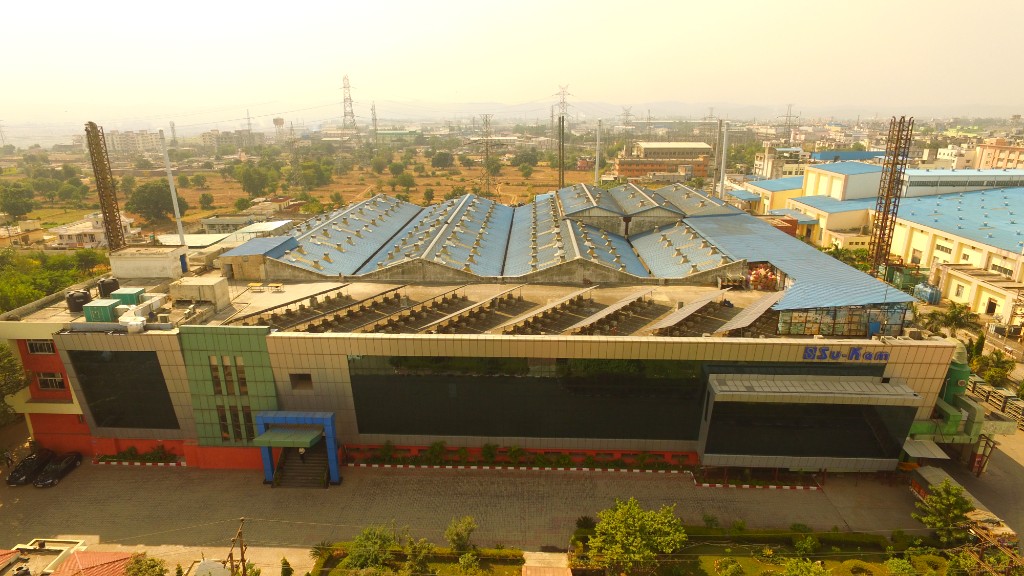
What one seed can become — Su-Kam's manufacturing campus, grown from a single R&D resource and a founder's patienceएक बीज क्या बन सकता है — Su-Kam का manufacturing campus, एक R&D resource और founder के सब्र से बड़ा
From One Seed, an Empireएक बीज से विशाल साम्राज्य
Every multinational brand you see today — from Sony to Honda to Su-Kam — started not with an army, but with an entrepreneur standing beside a single passionate individual at a humble workbench.आज आप जो भी बड़ा multinational brand देखते हैं — चाहे वो Sony हो, Honda हो या Su-Kam — वह किसी भारी-भरकम फौज से नहीं, बल्कि एक साधारण सी workbench पर खड़े होकर किसी एक जुनूनी इंसान का साथ देने वाले entrepreneur से शुरू हुआ था।
Stop waiting for the perfect market conditions. Stop waiting for the ready-made PhD. Find that one sharp resource in your factory today. Put the tools in their hands, protect them through the smoke, give them the patience to learn, and stand behind them like a rock. That is how R&D begins. That is how legends are made.सही समय का इंतज़ार करना बंद कीजिए। किसी बने-बनाए PhD का इंतज़ार छोड़ दीजिए। आज ही अपनी factory में से उस एक होनहार इंसान को पहचानिए। उसके हाथों में सही औज़ार थमाइए, धुएं और नाकामियों के बीच उसका हौसला बनिए, उसे सीखने का सब्र दीजिए, और उसके पीछे चट्टान की तरह खड़े हो जाइए। R&D की शुरुआत ऐसे ही होती है। और इतिहास ऐसे ही लिखा जाता है।
R&D does not start with a department. It starts with one person — and a founder who refuses to leave them alone with the smoke.R&D किसी department से शुरू नहीं होता। यह एक इंसान से शुरू होता है — और उस founder से जो धुएं में उन्हें अकेला नहीं छोड़ता।