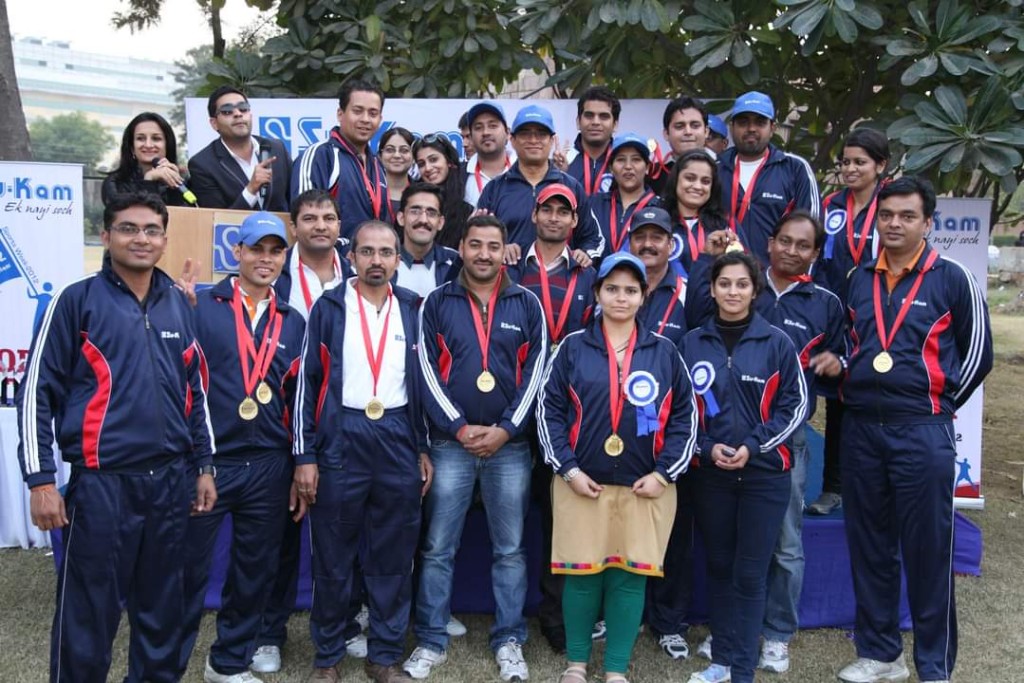
Sports Week 2012 — medals, tracksuits, and a company that treated games as leadership practiceSports Week 2012 — medals, tracksuits, और एक कंपनी जिसने खेल को leadership की rehearsal माना
The Quiet Trophy: Three Amity HR Awards in a Rowशांत ट्रॉफी: तीन साल लगातार Amity HR Award
Industry remembers Su-Kam for sine-wave inverters, solar hybrids, and a thick patent file. Fewer people talk about the streak that sat at the back of the awards cabinet: the Amity HR Growth Award, won three years running — 2008, 2009, and 2010.Industry Su-Kam को sine-wave inverters, solar hybrids और patents के लिए याद रखती है। कम लोग उस streak की बात करते हैं जो awards cabinet के पीछे रखा था: Amity HR Growth Award — तीन साल लगातार, 2008, 2009 और 2010।
That streak was not soft HR theatre. It was the operating system behind the factory. My focus was simple and stubborn: train myself, and train my team — whichever area or department they worked in. If knowledge stayed only in my head or only in R&D, the company would stay a founder bottleneck. Training had to be architecture.वह streak कोई soft HR नाटक नहीं थी। वह factory के पीछे का operating system थी। मेरा फ़ोकस सीधा और ज़िद्दी था: खुद को train करो, और अपनी टीम को train करो — वे जिस भी area या department में काम करते हों। अगर ज्ञान सिर्फ मेरे सिर में या सिर्फ R&D में रहे, तो कंपनी founder bottleneck बनकर रह जाएगी। Training को architecture बनाना पड़ता है।
This is the companion essay to How to Build Managers in an MSME. Managers are grown through trust and the family test. Culture is grown through halls, games, festivals, and public recognition — repeated until they become muscle memory.यह लेख How to Build Managers in an MSME का साथी है। Managers भरोसे और Family Test से बनते हैं। Culture halls, खेल, festivals और सार्वजनिक सम्मान से बनती है — दोहराई जाती है जब तक वह आदत न बन जाए।
Training Halls in Every Buildingहर Building में Training Halls
We did not treat training as a calendar invite that gets skipped when production is busy. We built training halls inside each building — Gurgaon, Baddi, Katha, the transformer plant — and we decorated those halls with photographs of earlier training sessions and events. The walls themselves were a curriculum. A new joinee walked in and saw that learning was not optional; it was the company's public face.हम training को वो calendar invite नहीं मानते थे जो production busy होने पर skip हो जाए। हमने हर building के अंदर training halls बनाए — Gurgaon, Baddi, Katha, transformer plant — और उन halls को पुराने training sessions और events की तस्वीरों से सजाया। दीवारें खुद syllabus थीं। नया joinee अंदर आता था और देखता था कि सीखना optional नहीं — यही कंपनी का चेहरा है।
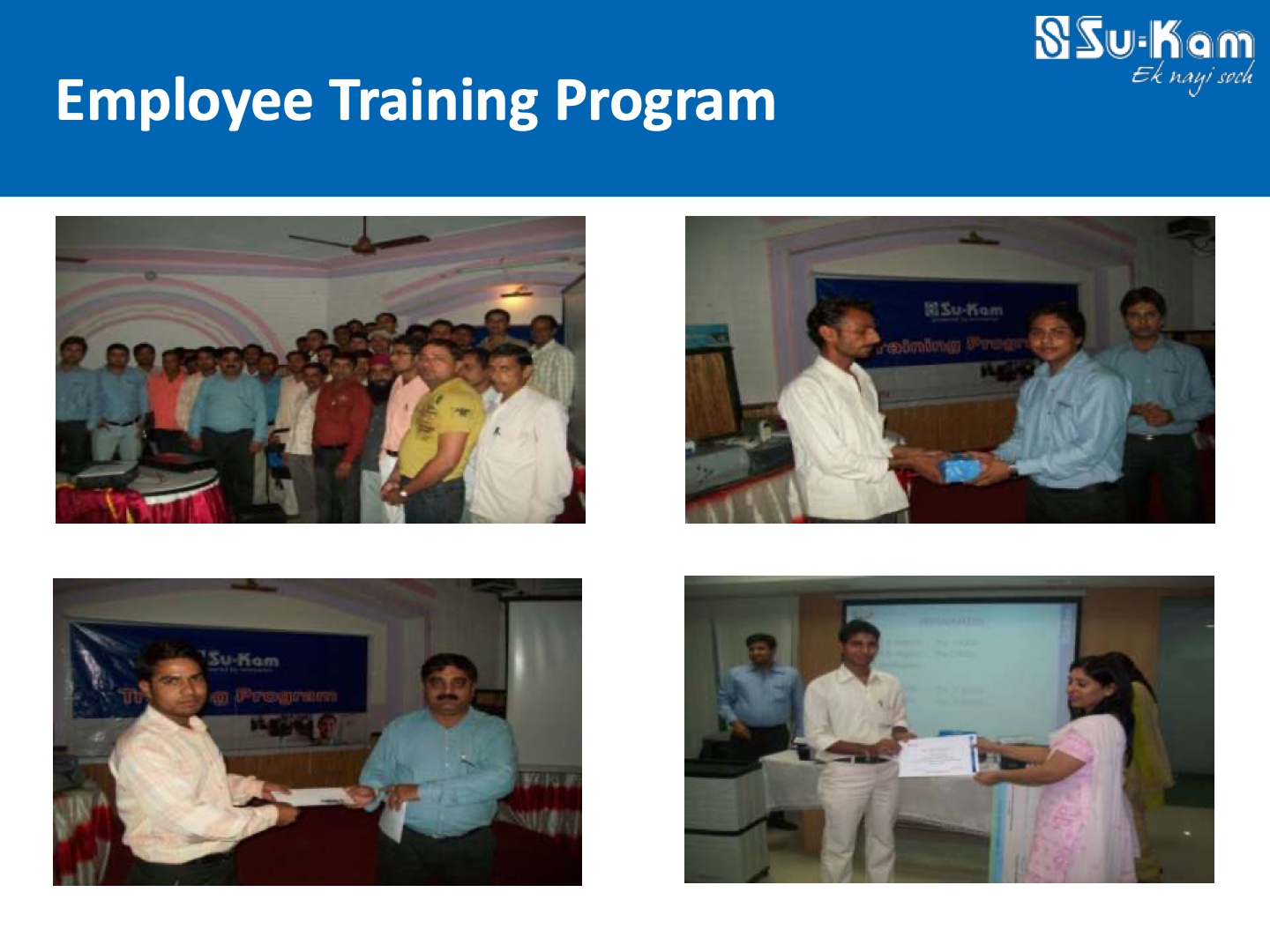
Employee Training Program
At the SMF battery factory in Katha, the training hall was built like a cinema — seats, projection, seriousness. That was deliberate. If you want people to treat product education as sacred, you give it a room that looks sacred, not a leftover corner with broken chairs.Katha की SMF battery factory में training hall सिनेमा जैसी बनाई गई — सीटें, projection, गंभीरता। यह जानबूझकर था। अगर आप चाहते हैं कि लोग product education को पवित्र मानें, तो उसे वैसा कमरा दीजिए — टूटी कुर्सियों वाला leftover कोना नहीं।
Product training put engineers and service teams' hands on real inverter hardware — often hardware they would later improve. Outbound programmes forced people from different departments across a rope bridge or a hard outdoor day together, so that six months later an email from another plant could not be ignored. Induction was not a PDF dump; new people were introduced by name to the humans they would depend on. The directory had to become a relationship.Product training में engineers और service teams असली inverter hardware पर हाथ रखते थे — अक्सर वही hardware जिसे वे बाद में सुधारते। Outbound programmes अलग-अलग departments के लोगों को एक साथ कठिन outdoor दिन या rope bridge से गुज़ारते थे, ताकि छह महीने बाद दूसरे plant का email अनदेखा न हो सके। Induction कोई PDF dump नहीं थी; नए लोगों का नाम लेकर उन इंसानों से परिचय कराया जाता था जिन पर वे निर्भर रहेंगे। Directory को relationship बनना था।
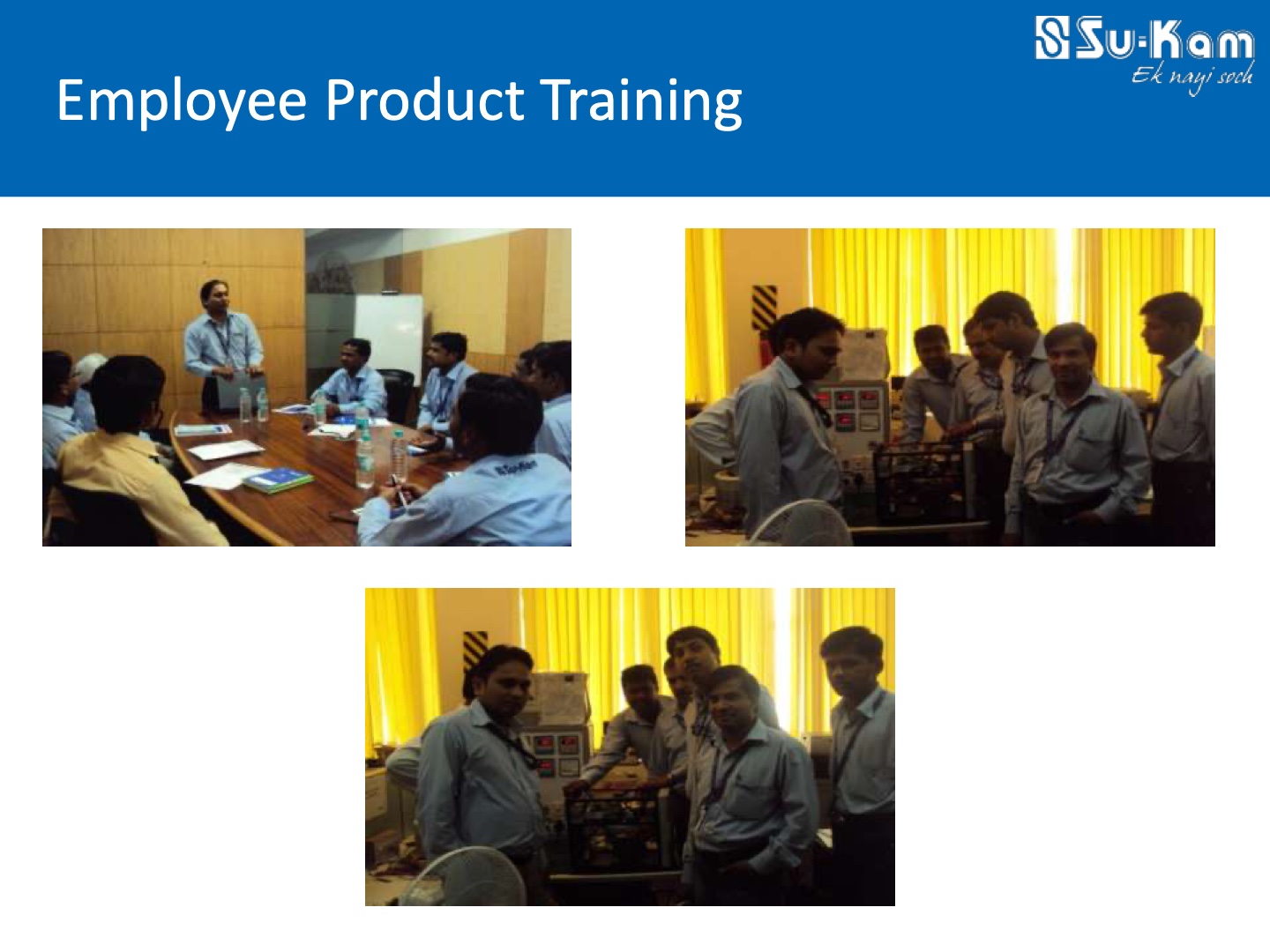
Employee Product Training
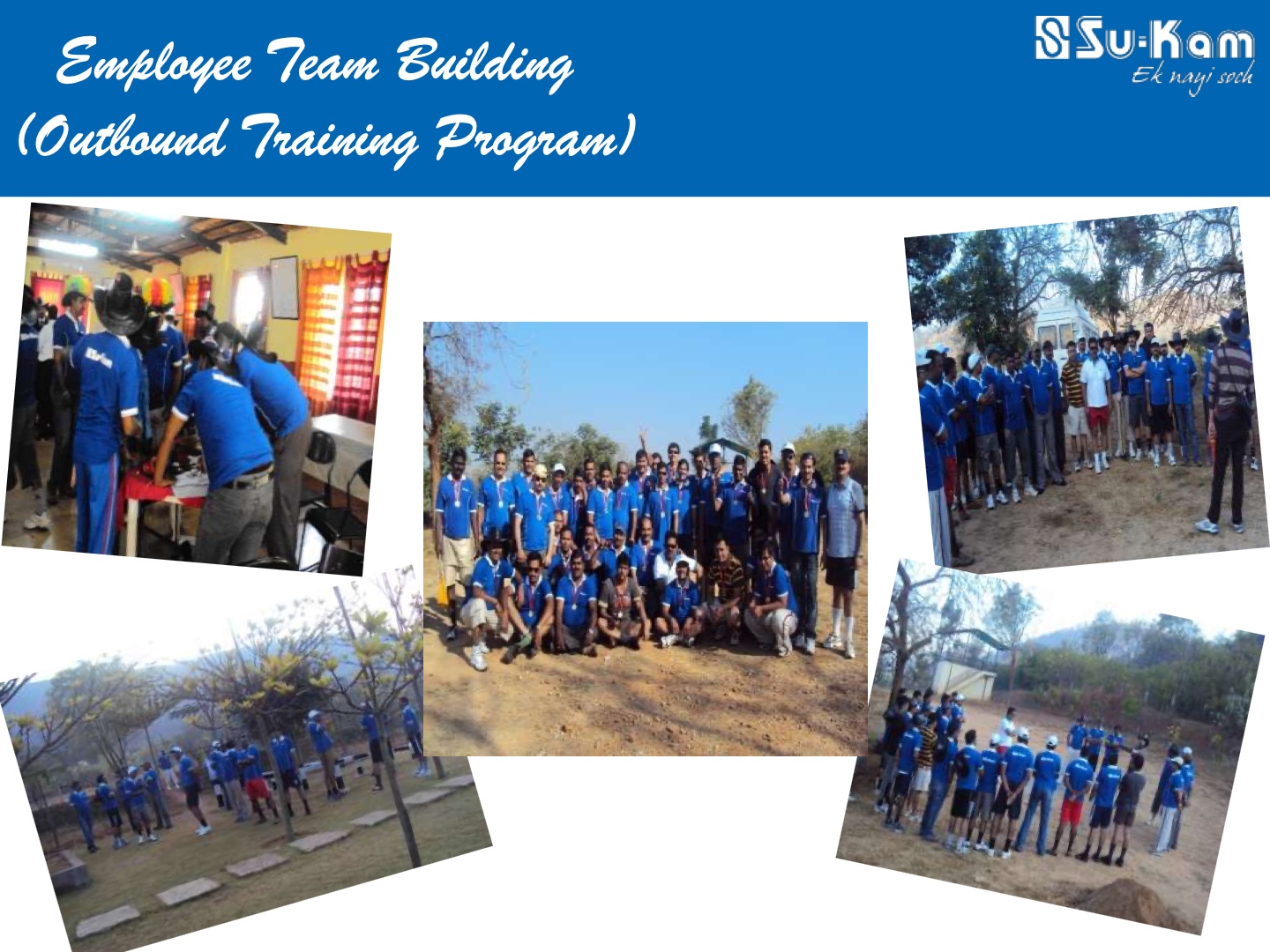
Employee Team Building (Outbound Training Program)
Competitors often hired the people we had just finished training. That hurt. It also proved the system worked. We kept training anyway — and later put teaching on YouTube so the classroom could not resign. The same instinct sits beside How to Start R&D in an MSME: grow capability from within, even when the market tries to steal it.Competitors अक्सर उन लोगों को hire कर लेते थे जिन्हें हमने अभी-अभी train किया होता। दुख होता था। यह साबित भी करता था कि सिस्टम काम कर रहा है। हम फिर भी train करते रहे — और बाद में teaching YouTube पर रखी ताकि classroom resign न कर सके। वही intuition How to Start R&D in an MSME के साथ बैठती है: capability अंदर से उगाओ, भले बाज़ार उसे चुराने की कोशिश करे।
Sports Week: The Interview Nobody AnnouncedSports Week: वो Interview जिसकी घोषणा नहीं होती थी
Sports Week at Su-Kam was sport on the surface. Underneath, it was a talent filter.Su-Kam में Sports Week ऊपर से खेल लगता था। अंदर से वह talent छांटने का फ़िल्टर था।
I have said in the press for years that people who play sport take multiple roles well and make better leaders — which is why we offered such employees leadership profiles. Inside the company, the argument had teeth. I would arrive without ceremony, stand at the edge of the room, and watch. Not the score. The people.मैं प्रेस में सालों से कहता आया हूँ कि जो लोग खेलते हैं वे कई भूमिकाएँ बेहतर निभाते हैं और बेहतर leaders बनते हैं — इसलिए हम ऐसे कर्मचारियों को leadership profiles देते थे। कंपनी के अंदर इस बात के दाँत थे। मैं बिना शोर के पहुँचता, कमरे के किनारे खड़ा होकर देखता। Score नहीं। लोग।
On the chessboard, the person who won patiently — while the opponent panicked mid-game — got marked as a strategist. Within months they would find themselves in conversations about the next product line. Nobody told them the chess match had been the interview. On the volleyball court, the people who held the back line, communicated constantly, and stayed cheerful under fatigue were marked for sales and service stamina. Factory floor people with those instincts moved into service; service people with the same instincts moved into sales; the rare mix of technical patience and customer warmth eventually led regions. Much of the dealer network that later powered Sales Ka Bazigar was staffed from this informal pipeline.शतरंज पर जो धैर्य से जीतता — जबकि विरोधी बीच में घबरा जाता — उसे strategist के तौर पर नोट किया जाता। महीनों में वह अगली product line की बातों में शामिल हो जाता। किसी ने नहीं कहा कि शतरंज ही interview था। Volleyball में जो बैक लाइन संभालते, लगातार communicate करते, थकान में भी cheerful रहते — उन्हें sales और service की stamina के लिए चिह्नित किया जाता। Factory के लोग service में जाते; service वाले sales में; technical धैर्य और customer warmth का दुर्लभ मिश्रण बाद में regions लीड करता। Sales Ka Bazigar को चलाने वाला बहुत सा dealer network इसी अनौपचारिक pipeline से भरा था।
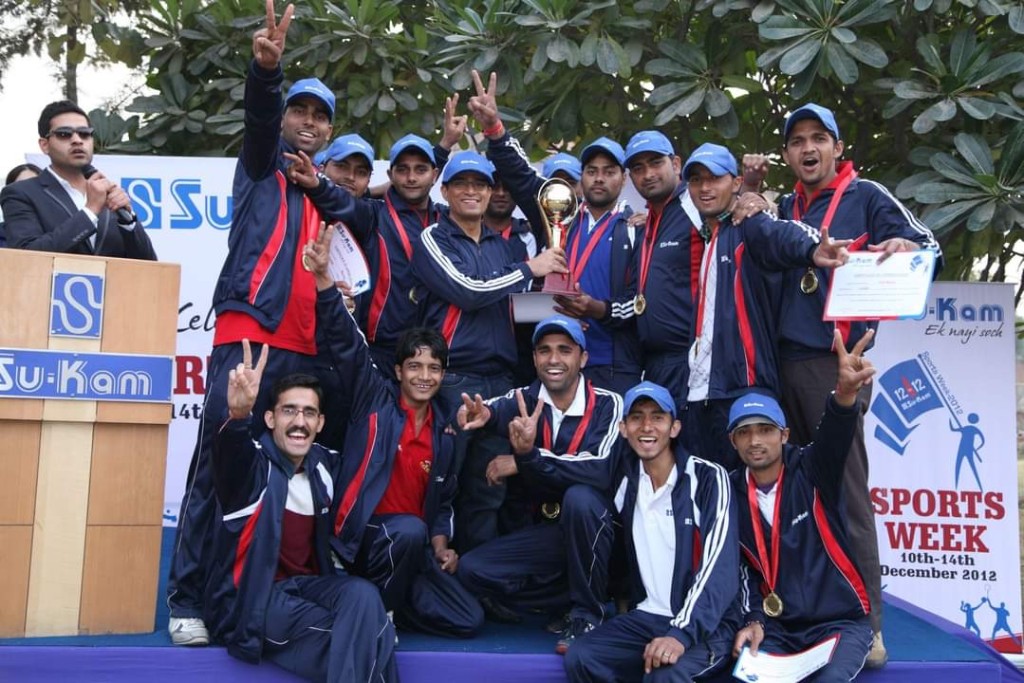
10–14 December 2012 — trophy, medals, certificates; the scoreboard was public, the talent notes were private10–14 दिसंबर 2012 — trophy, medals, certificates; scoreboard सार्वजनिक था, talent के नोट निजी
Su-Kam Sports Week — the culture film (watch on site)Su-Kam Sports Week — culture film (यहीं देखें)
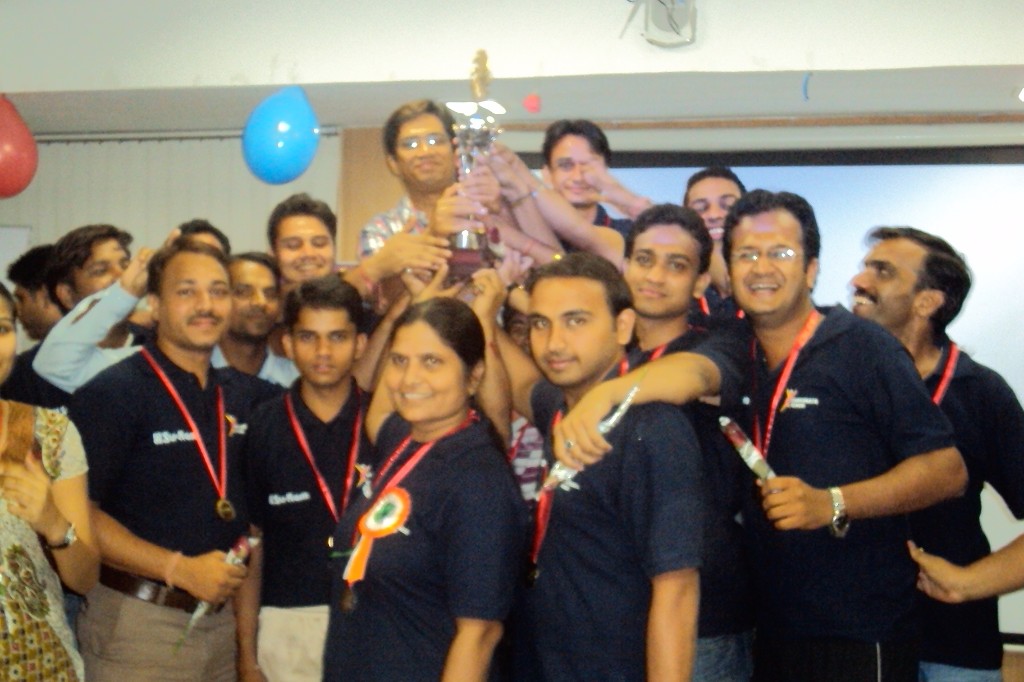
Indoor victory huddle — the same tracksuits and medals, the same message: we celebrate togetherIndoor victory huddle — वही tracksuits और medals, वही संदेश: जीत साथ मनाते हैं
As we scaled from one plant to many, we scaled the events too. Sports Week grew with headcount. The games stayed the same; the staging got bigger. The founder's job stayed the same: stand at the edge and learn who people really are when the scoreboard is not HR's.जैसे-जैसे हम एक plant से कई plants तक बढ़े, events भी बड़े किए। Sports Week headcount के साथ बढ़ा। खेल वही रहे; मंच बड़ा हुआ। Founder का काम वही रहा: किनारे खड़े होकर देखना कि लोग scoreboard के बाहर असल में कैसे हैं।
The Fifteen Days Before Any Eventकिसी भी Event से पहले के पंद्रह दिन
Most companies plan a Sports Day in a week and tell plants to "send a few people if they can spare them." We started preparation fifteen days early — not for logistics alone, but because the company was physically fragmented: Baddi, Katha, the transformer plant, Gurgaon, and sales-and-service offices across India. A factory operator in Baddi had no natural reason to meet a regional service engineer from Bangalore.ज़्यादातर कंपनियाँ Sports Day एक हफ्ते में प्लान करती हैं और plants से कहती हैं "अगर बच सको तो कुछ लोग भेज देना।" हम तैयारी पंद्रह दिन पहले शुरू करते थे — सिर्फ logistics के लिए नहीं, क्योंकि कंपनी भौगोलिक रूप से बिखरी थी: Baddi, Katha, transformer plant, Gurgaon, और भारत भर के sales-and-service offices। Baddi के factory operator का Bangalore के regional service engineer से मिलने का कोई स्वाभाविक कारण नहीं था।
Those fifteen days forced travel and mixing. By event day, Baddi knew Gurgaon, Katha had played carrom against corporate, and service teams had broken bread with the people who built the machines they repaired. The event was the excuse. The real work was remembering — in person — that we were one company.वे पंद्रह दिन यात्रा और मिलन मजबूर करते थे। Event के दिन तक Baddi Gurgaon को जान चुका होता, Katha ने corporate के खिलाफ carrom खेल लिया होता, और service teams ने उन लोगों के साथ रोटी तोड़ ली होती जिन्होंने वे मशीनें बनाईं जिन्हें वे ठीक करते। Event बहाना था। असली काम यह याद रखना था — आमने-सामने — कि हम एक कंपनी हैं।
Family Day: The Pitch to the HouseholdFamily Day: परिवार को दिया गया Pitch
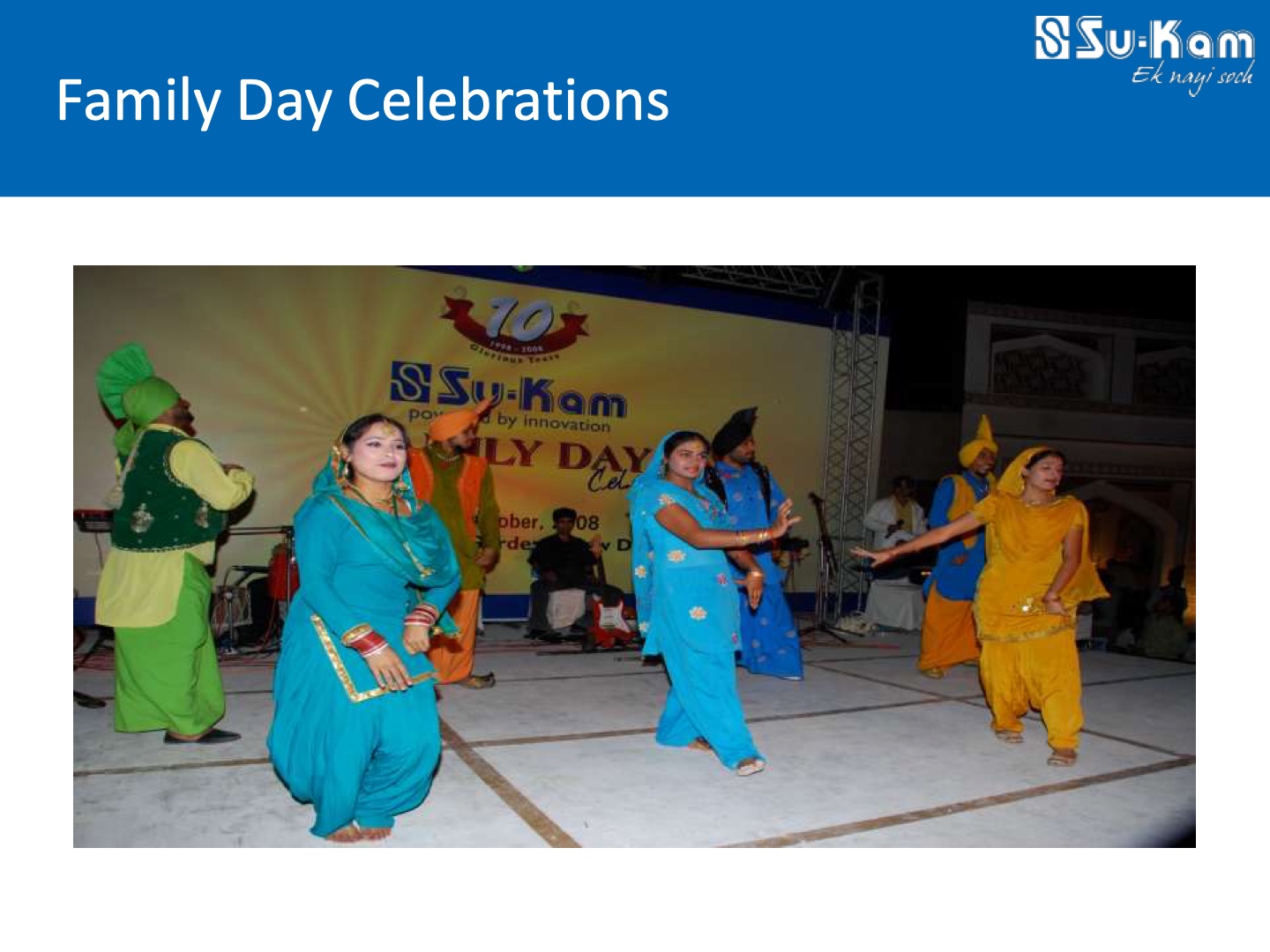
Family Day Celebrations
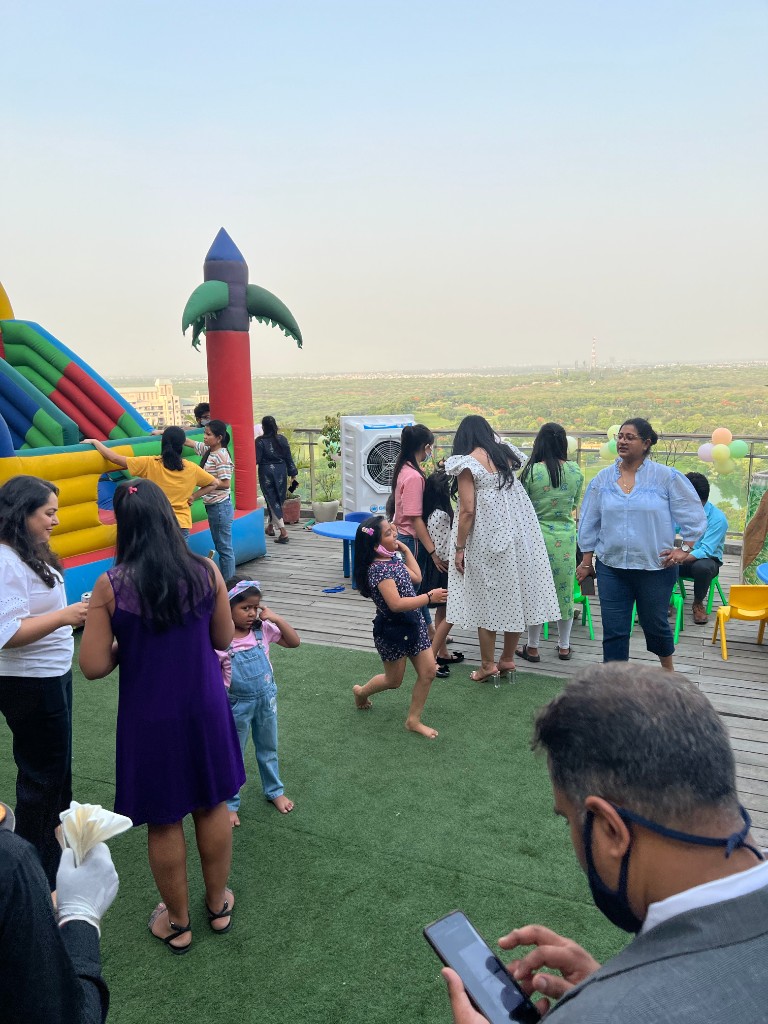
Spouses and children as guests of honourजीवनसाथी और बच्चे मेहमान-ए-ख़ास
In my private hierarchy, Family Day mattered more than many product launches.मेरी निजी प्राथमिकता में Family Day कई product launches से ज़्यादा मायने रखती थी।
The reason is blunt: if the wife and children of an employee do not believe in this company, the employee will eventually stop believing too. Family Day was our annual sales pitch to our own employees' households — food they would remember, photographs of every family, gifts for children, folk performers, seniors dancing badly on purpose. The cost of refusing to join the room had to be higher than the cost of looking silly. When families felt pride, overtime and competitor offers met a different answer at home. That is the same loyalty logic in the Family Test for managers.वजह सीधी है: अगर कर्मचारी की पत्नी और बच्चे इस कंपनी पर यकीन नहीं करते, तो कर्मचारी भी देर-सबेर यकीन छोड़ देगा। Family Day हमारे अपने कर्मचारियों के घरों को सालाना sales pitch थी — याद रहने वाला खाना, हर परिवार की तस्वीरें, बच्चों के तोहफे, लोक कलाकार, जानबूझकर बुरा नाचते seniors। कमरे में न आने की कीमत बेवकूफ दिखने से ज़्यादा होनी चाहिए। जब परिवार गर्व महसूस करता, overtime और competitor के ऑफर का घर पर जवाब बदल जाता। वही loyalty logic managers के Family Test में है।
Awards Ceremonies That Scaled With the CompanyAward Ceremonies जो कंपनी के साथ बड़ी हुईं
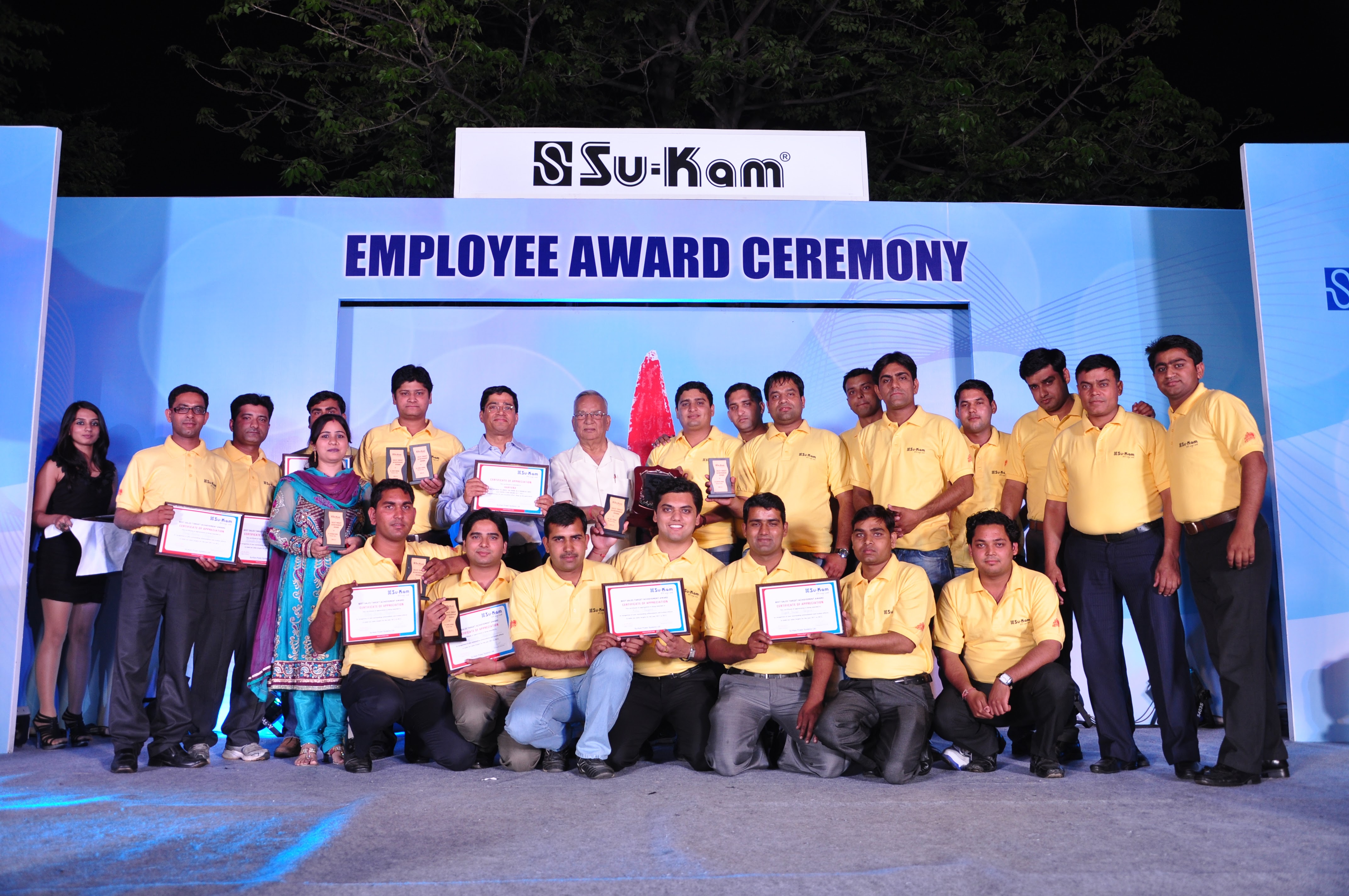
The award night was the year's audit — who stayed, who led, who taughtAward night साल का audit थी — कौन टिका, किसने लीड किया, किसने सिखाया
The Employee Award Ceremony and Long Service Awards made the quiet system visible. Staying mattered. A company that cannot retain people cannot retain customers — that chain is logic, not sentiment. Long service plaques were a public acknowledgement that seven, twelve, or fifteen years of continuity had enabled everything else.Employee Award Ceremony और Long Service Awards ने शांत सिस्टम को दिखने लायक बनाया। टिके रहना मायने रखता था। जो कंपनी लोगों को retain नहीं कर सकती, customers को भी retain नहीं कर सकती — यह sentiment नहीं, logic है। Long service plaques सार्वजनिक स्वीकारोक्ति थीं कि सात, बारह या पंद्रह साल की निरंतरता ने बाकी सब संभव किया।
As headcount and plants multiplied, the ceremonies grew — bigger stage, more categories, more families in the audience. Scaling the business without scaling recognition is how culture dies quietly while revenue still looks fine.जैसे headcount और plants बढ़े, ceremonies भी बढ़ीं — बड़ा मंच, ज़्यादा श्रेणियाँ, दर्शकों में ज़्यादा परिवार। बिज़नेस स्केल करके recognition न स्केल करना — यही तरीका है जिससे revenue ठीक दिखते हुए भी culture चुपचाप मर जाती है।
Festivals, Bonfires, and No Senior Skip-OutsFestivals, Bonfires, और Seniors का Skip मना
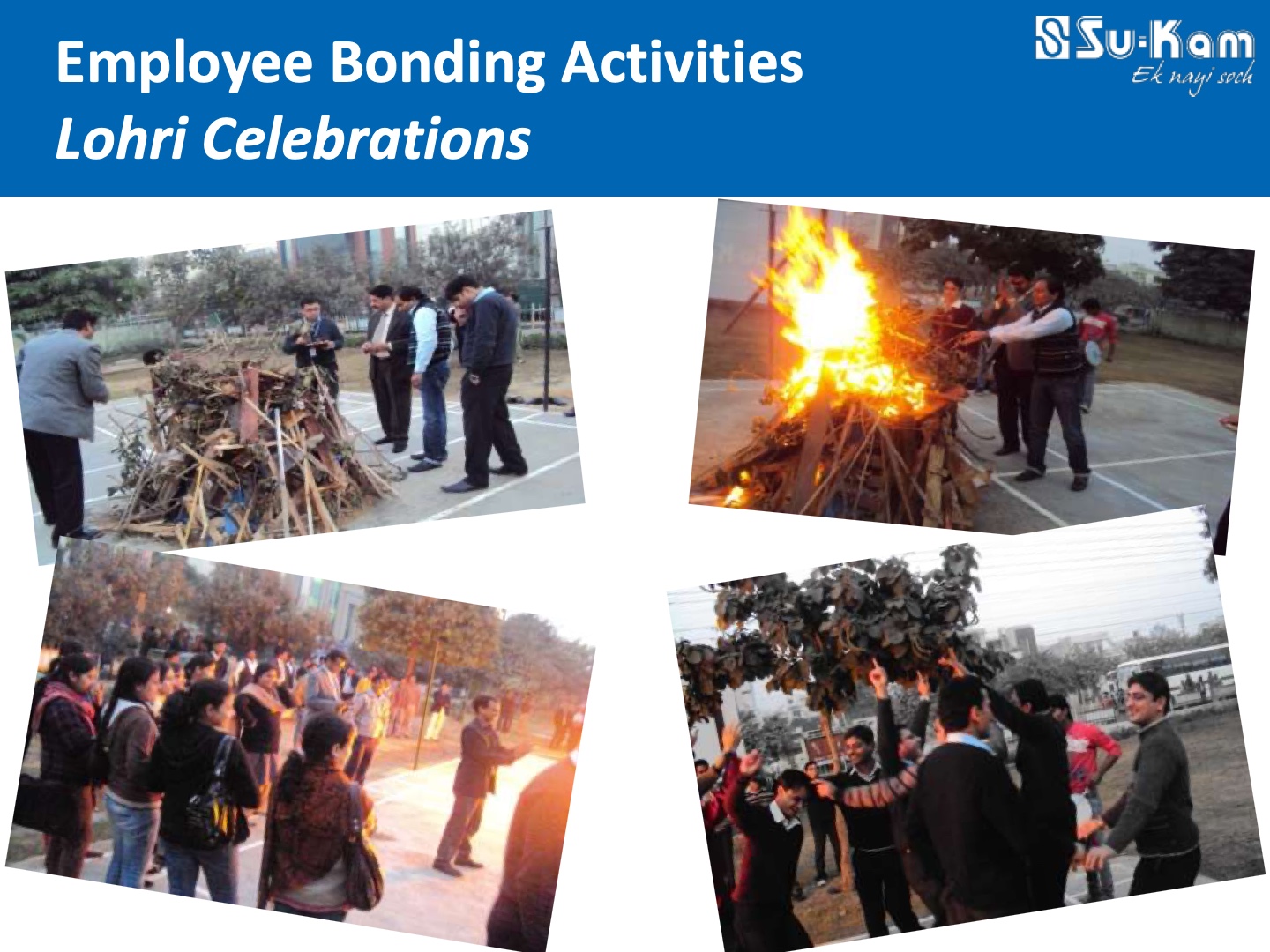
Lohri Celebrations
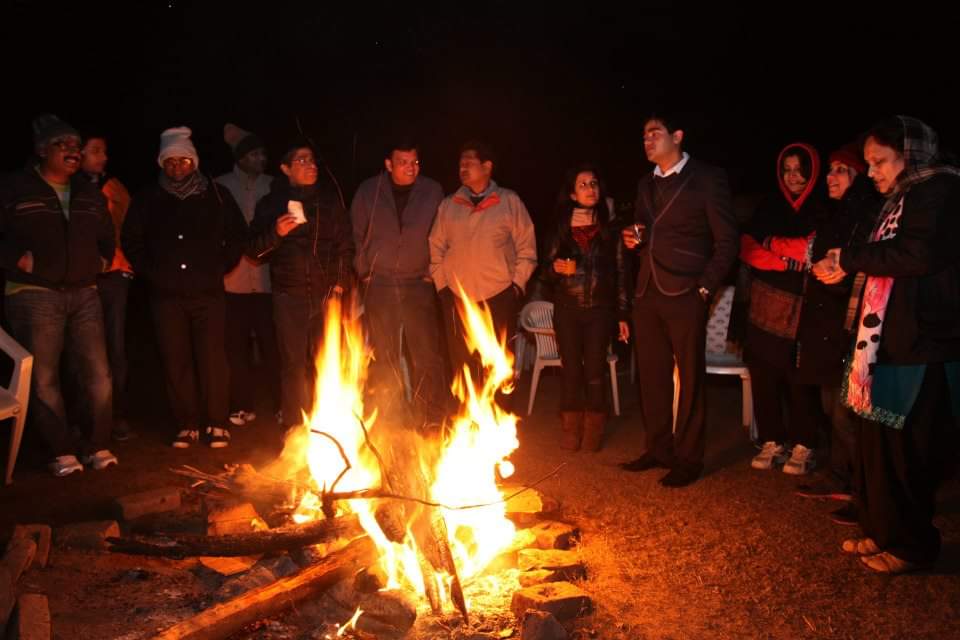
Seniors in the same circle as the shop floorSeniors shop floor के साथ एक ही घेरे में
Diwali at Gurgaon was a real production — rangoli, lights, traditional decoration. Lohri meant bonfires where leadership stood in the same warmth as junior staff. Women's Day was warm and public in a manufacturing culture that too often treats it as an afterthought.Gurgaon में Diwali असली production होती थी — rangoli, lights, पारंपरिक सजावट। Lohri मतलब bonfires जहाँ leadership जूनियर स्टाफ जैसी ही गर्माहट में खड़ी हो। Women's Day manufacturing संस्कृति में गर्म और सार्वजनिक थी — जहाँ अक्सर उसे afterthought समझा जाता है।
One rule I enforced personally: nobody, however senior, was allowed to skip these festivals. The first time a senior sent regrets, they got a phone call — not angry, almost amused — that conveyed I had noticed. The plant operator who had travelled fourteen hours was watching the room. If seniors were absent, the function did not matter. If seniors were present, dancing badly to the same music, the function did.एक नियम मैंने खुद enforce किया: कोई भी, चाहे कितना senior हो, इन festivals को skip नहीं कर सकता। पहली बार जब किसी senior ने regrets भेजे, फोन आया — गुस्से वाला नहीं, लगभग मुस्कुराता — लेकिन साफ कि मैंने नोटिस किया। जो plant operator चौदह घंटे सफर करके आया था, वह कमरा देख रहा था। अगर seniors न हों, function बेमानी है। अगर seniors मौजूद हों, वही संगीत पर बुरा नाचते हुए, तो function मायने रखता है।
The 5 Culture Rules for MSME FoundersMSME Founders के लिए Culture के 5 नियम
- Build training rooms, not only production lines: Put a hall in every building and hang the history of past trainings on the walls. Visibility makes learning non-negotiable.
- Use sport as a leadership filter: Watch how people play under pressure. Chess patience and court stamina predict managerial fitness better than polished interviews.
- Start events fifteen days early: Use the prep window to mix plants and functions. The gathering is the excuse; unity is the work.
- Sell the company to the employee's family: Family Day is not a perk. It is the loyalty contract with the household.
- Scale recognition as you scale headcount: Award nights and long-service rites must grow with the organisation — or culture shrinks while the org chart expands.
- सिर्फ production line नहीं, training rooms बनाइए: हर building में hall रखिए और पुरानी trainings की तस्वीरें दीवारों पर लगाइए। दिखना learning को अनिवार्य बनाता है।
- खेल को leadership फ़िल्टर बनाइए: दबाव में लोग कैसे खेलते हैं, देखिए। शतरंज का धैर्य और कोर्ट की stamina polished interview से बेहतर managerial fitness बताती है।
- Events पंद्रह दिन पहले शुरू कीजिए: तैयारी की खिड़की से plants और functions मिलाइए। जमावड़ा बहाना है; एकता असली काम है।
- कर्मचारी के परिवार को कंपनी बेचिए: Family Day कोई perk नहीं। यह घर के साथ loyalty का ठेका है।
- Headcount के साथ recognition भी स्केल कीजिए: Award nights और long-service रीतियाँ संगठन के साथ बढ़ें — वरना org chart बढ़ते हुए culture सिकुड़ जाएगी।
What Competitors Could Not Copyजो Competitors नकल नहीं कर सकते थे
Patents can be studied. Dealer lists can be poached. Products can be reverse-engineered.Patents पढ़े जा सकते हैं। Dealer lists चुराई जा सकती हैं। Products reverse-engineer हो सकते हैं।
What is almost impossible to copy is the human network — carrom partnerships forged before Sports Week, cross-plant friendships from the fifteen-day prep, the spouse who attended Family Day and told her husband to stay another year, the training-hall walls that told every new joinee what this company valued. That network was, by design, the durable asset.जो लगभग असंभव है नकल करना — वह इंसानी नेटवर्क है: Sports Week से पहले बने carrom साझेदारी, पंद्रह दिन की तैयारी से जन्मी cross-plant दोस्ती, Family Day पर आई पत्नी जिसने पति से कहा एक और साल रुको, training-hall की दीवारें जो हर नए joinee को बताती थीं कि कंपनी क्या मानती है। वह नेटवर्क जानबूझकर टिकाऊ संपत्ति थी।
Train yourself. Train every department. Put the photographs on the wall. Then watch managers grow where the games, the families, and the awards meet.खुद को train कीजिए। हर department को train कीजिए। तस्वीरें दीवार पर लगाइए। फिर देखिए managers वहीं उगते हैं जहाँ खेल, परिवार और awards मिलते हैं।